Architecture with a sense of order

Written by
02 June 2026
•
5 min read

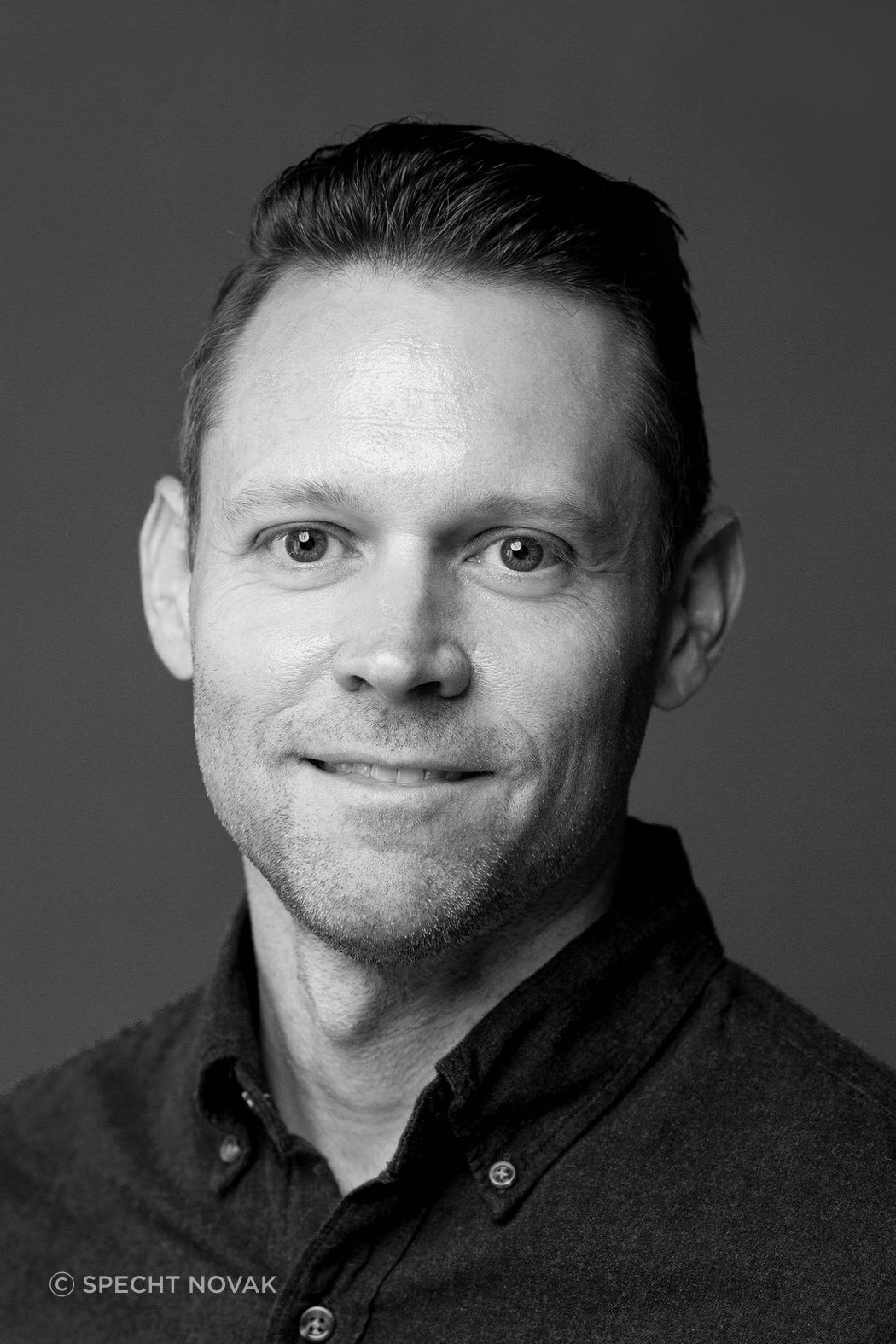
For Specht Novak, that means resisting easy gestures, selecting materials carefully, and allowing the logic of a site to shape the architecture. Their work is difficult to reduce to a single style and that appears to be the point. Across private residences, hospitality projects, and selective institutional work, there is a consistent thread of clarity, restraint, material intelligence, and a belief that architecture should endure.
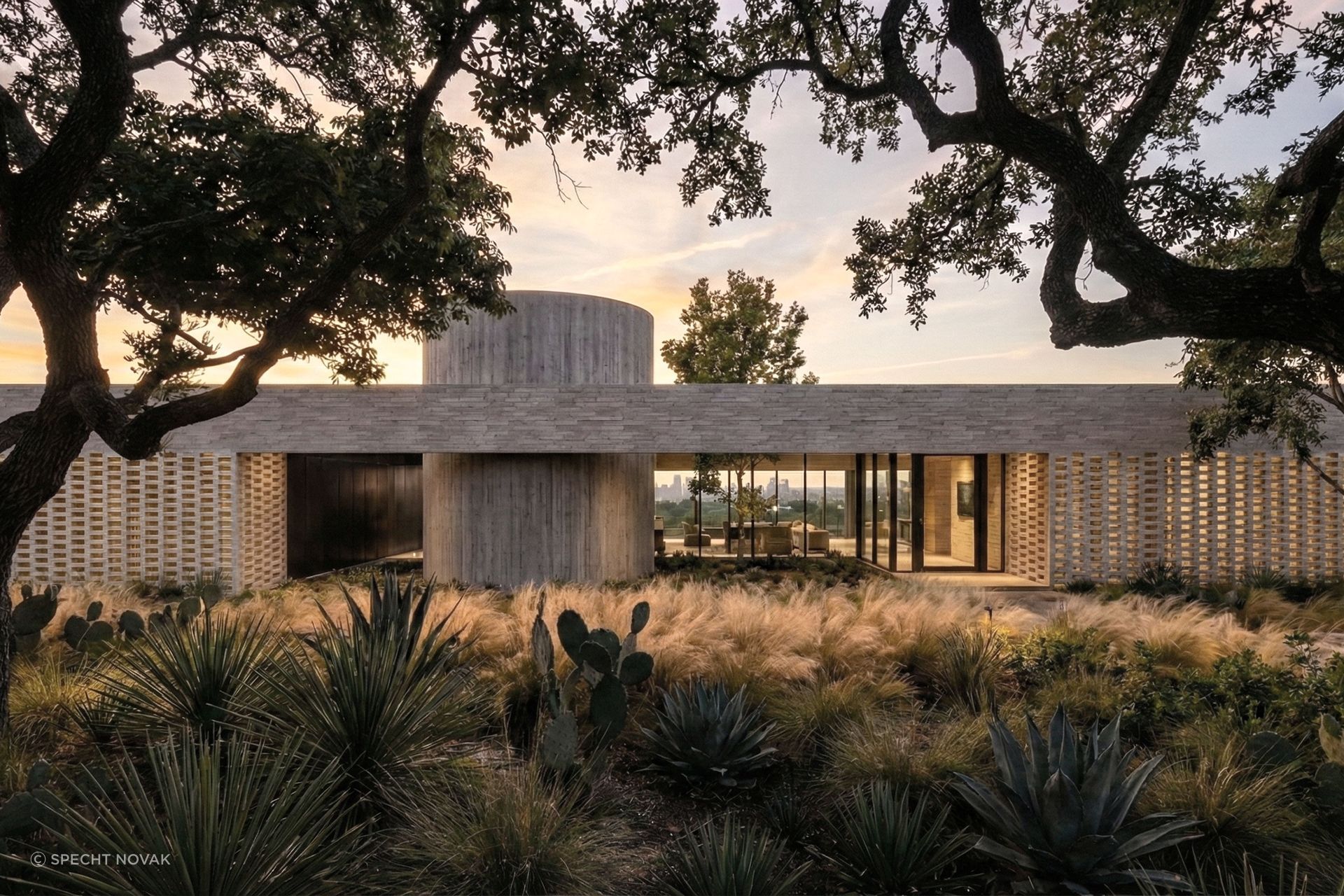
The practice works across climates, states, and building traditions, with completed projects in Texas, Washington, New Mexico, Indiana, and beyond. A home in Washington’s forested Vashon Island cannot be approached like a home in Dallas, where solar gain, privacy and heat become defining conditions. Likewise, building in New Mexico introduces construction methods and roof systems that differ dramatically from those in Texas.

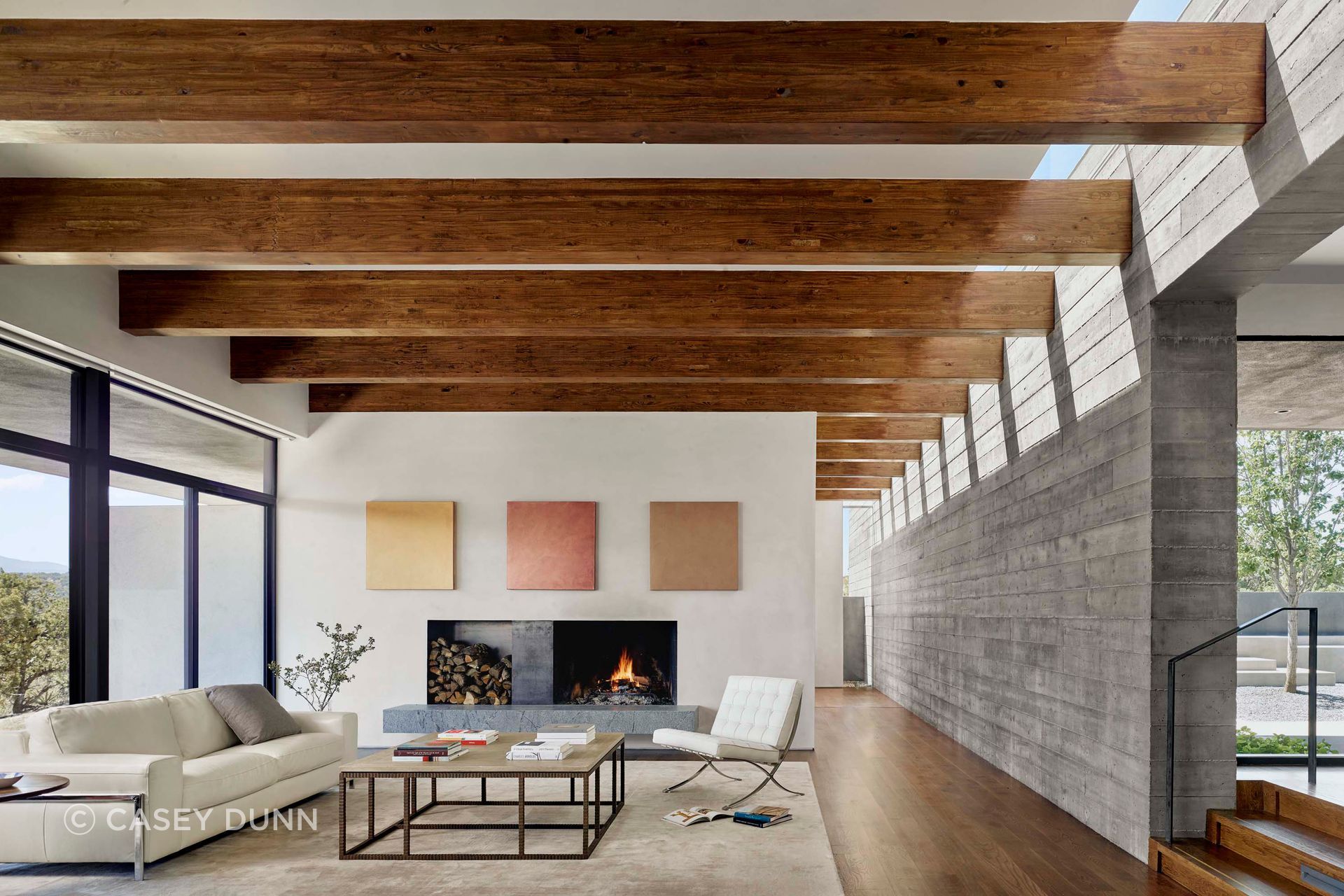
Specht Novak does not seek to duplicate regional architecture, but to draw from context in a way that feels meaningful rather than literal. Novak describes it as a kind of “ultra-contextualism”. A process of reading through climate, construction methods, material traditions, local contractors, topography, and light.
For the practice, this is not a complication to be standardized away. It is a source of architectural depth. Each site asks for a different response, but the work still holds a recognisable sense of order. The architecture is calm, deliberate and highly resolved, often using material, structure and light to create atmosphere without relying on excess.
That sense of restraint is also visible in how the practice works with clients. Specht Novak is selective about the projects it takes on, partly because the best outcomes depend on a strong fit between architect and client. Novak says the most successful projects tend to come from clients who are genuinely interested in architecture and willing to be part of the process. Not simply in terms of approving finishes, but in shaping the deeper questions. How should the house feel, how will it be lived in, what rituals matter, what must be protected and what can be challenged?
The process begins with conversation, followed by a detailed list of prompts the practice has refined over many years. These questions ask clients to think carefully about how they use their home and how the spaces should work. Long before pencil is put to paper, the architects are listening for the patterns that will eventually shape the plan.
In that sense, Specht Novak’s work is not only about producing beautiful houses. It is about understanding how people want to live, then translating that into spaces that offer comfort, clarity, and a sense of calm. Novak describes the ambition simply. To make clients love the space they are in and to create homes where they can find inspiration and peace.
That care continues through construction. Specht Novak is clear that its role does not end at the drawing set. Whether a project is across town or on the other side of the country, the architects remain closely involved throughout the build, communicating regularly with contractors and visiting the site. For Novak, this is essential, because it is during construction that small compromises can begin to accumulate. Left unchecked, they can shift the entire character of a project.
This commitment to follow-through is part of what gives the work its sense of order. In a Specht Novak home, materials are rarely decorative in isolation. They are tied to structure, atmosphere, climate, and use. Concrete can be both wall and memory. Glass can remove the frame between room and landscape. Timber can soften the body’s experience of a threshold. Natural light can make a room feel calm before anything is placed in it.

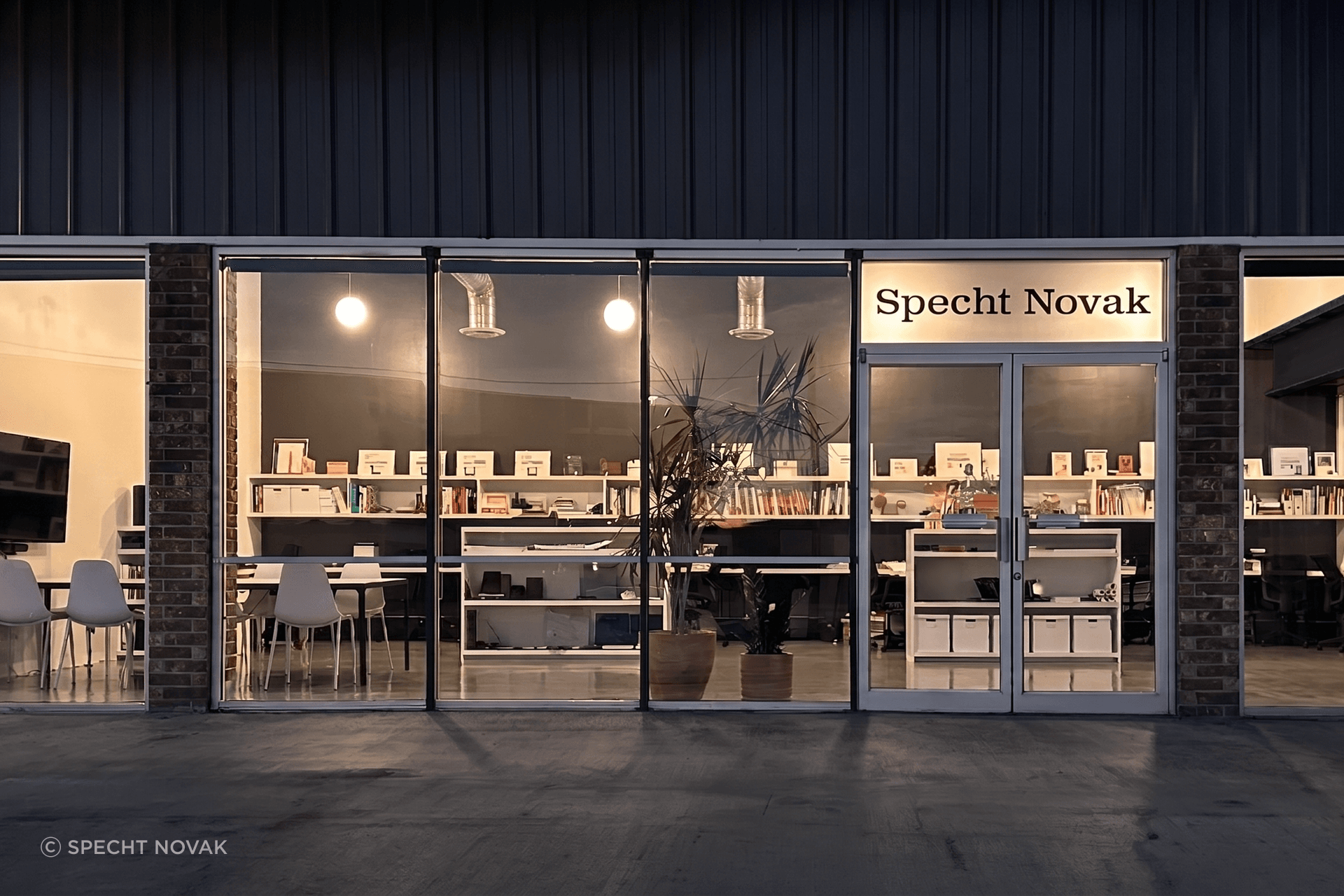
The practice’s own history helps explain this appetite for experimentation. Specht Novak was founded by Scott Specht in New York in 1995, originally working across commercial and technology office projects. Those early years were defined by limited budgets, unusual materials, and a willingness to solve problems through invention. Over time, the practice moved into single-family residential work, first through projects on the East Coast, including New Canaan, Connecticut, New York, and Long Beach. As the residential work grew, so did the opportunity to experiment at a more personal scale.
Novak joined the practice in 2014, after more than a decade practicing in Chicago. By then, the firm had opened an office in Austin, Texas, and was increasingly focused on highly considered residential architecture. Today, the practice still takes on select hospitality and other types of projects, including Austin’s Carpenter Hotel, but the common denominator is not category. It is all about creative potential.
As ArchiPro launches in the US, practices like Specht Novak reveal why context matters. Beautiful images may inspire, but homeowners need more than inspiration.
They need to understand how an architect thinks, how a home is resolved, who contributes to the outcome, and what decisions shape the experience of living there.
ArchiPro brings these layers together, allowing homeowners to explore professional portfolios, completed projects, products, and suppliers in one connected environment. Discover Specht Novak on ArchiPro, explore more architect-designed homes or browse the materials and professionals shaping contemporary residential design.