How to create atmosphere through interior design
Written by
19 April 2026
•
3 min read


Creating atmosphere within a home is not about a single statement piece or a perfectly styled room. It is a layered, intuitive process that considers how a space looks, feels and functions throughout the day.
Here, Ancré Studio’s Alice Dalloz shares six key things to consider when designing a home with atmosphere in mind.
1. Start with texture
Texture is often the first step in building a sensory experience. The interplay between soft and hard, smooth and rough, creates depth and contrast within a space.
“Having a mix of softness and roughness works really well,” Alice shares. “Raw materials are a great way to bring that texture into a space.”
Think natural stone against soft upholstery, sheer curtains that move with the breeze, or layered rugs that invite touch. These combinations bring warmth and tactility, making a home feel lived-in rather than simply styled.


2. Use lighting to soften the space
Lighting has a profound impact on how a space is perceived. Rather than relying on harsh overhead fixtures, the focus is on creating a softer, more ambient glow.
“I tend to avoid strong ceiling lights,” she explains. “I prefer indirect lighting, like strips, lamps and wall lamps to create a warmer atmosphere.”
Layered lighting allows a space to shift throughout the day, supporting both function and mood while adding a sense of calm and intimacy.
3. Consider shape and form
The shapes within a space influence how it feels to move through and inhabit. Softer, curved forms can help reduce visual tension and create a more relaxed environment.
“I really like curves,” Alice says. “They help soften the space and make it feel more fluid.”
Whether introduced through furniture, joinery or architectural details, these forms can subtly guide movement and create a sense of ease.


4. Think beyond what you can see
Atmosphere is not only visual, shares Alice.
“Temperature and sound are both important to feeling comfortable in a space,” she explains. “We always use insulation in interior walls as well as double glazing to increase comfort and reduce noise.”
Designing for natural ventilation, reducing noise transfer between rooms, or ensuring consistent warmth throughout the home are invisible elements, but they often have the greatest impact on the atmosphere of a home.
5. Use colour with intention
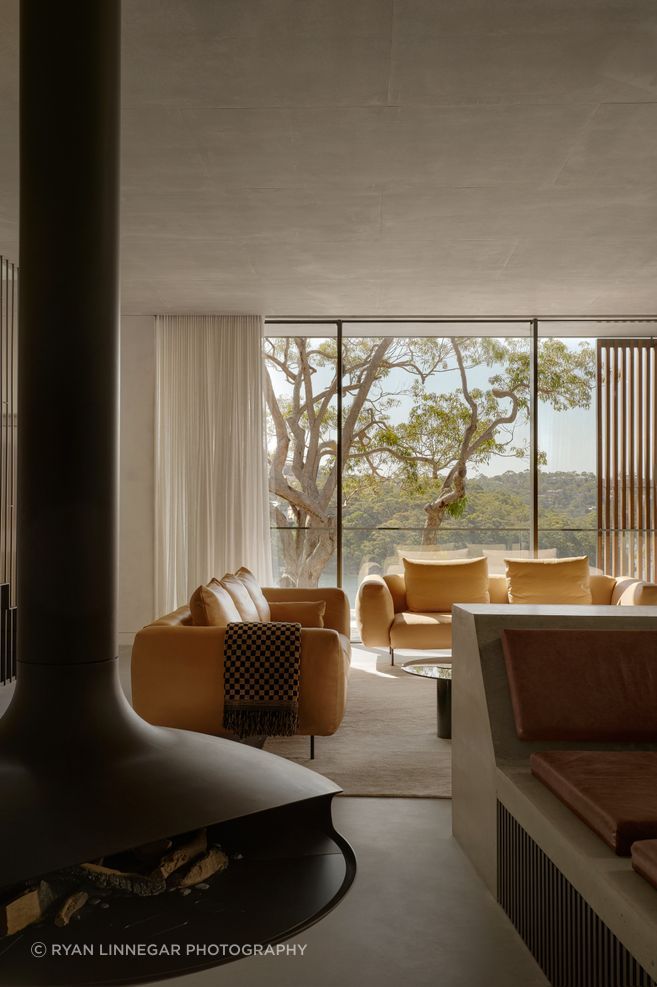
Colour has the power to influence mood and behaviour, making it a valuable tool in shaping atmosphere. Drawing on colour psychology, different tones can be used to energise, calm or ground a space.
“I love using colour to change the feeling of a space,” Alice says. “I often introduce colours with warm tones to bring energy into a room.”
While some clients prefer a neutral palette, even small accents can introduce warmth and personality. The key is to use colour deliberately, ensuring it aligns with how the space is meant to be experienced.

6. Balance proportion and scale
Finally, the proportions of a space can dramatically affect its atmosphere. Ceiling heights, room sizes and spatial transitions all contribute to how a home feels.
While high ceilings are often desirable, lower or more intimate spaces can create a sense of comfort and retreat. Varying these volumes throughout a home allows for a richer, more dynamic experience.
Ultimately, creating atmosphere is about bringing these elements together in a way that feels cohesive and considered. At Ancré Studio, the goal is always the same: to design homes that support the rhythms of everyday life while offering moments of comfort, beauty and connection.