Light, water and the architecture of wellbeing

Written by
01 June 2026
•
4 min read

For Chris Pozil, natural light is central to how the practice creates homes that feel connected to nature, even when they are built into steep urban hillsides or complex below-ground configurations.
The first move is often the most fundamental: orientation. Like many architects, McClean Design begins by considering how the house is positioned to receive light, open to views, and protect against unwanted exposure. But the firm’s work becomes particularly interesting in the ways it pushes light further.
On projects such as Aria and Cordell 2, much of the layout sits below ground. These are not simple basements used for storage or secondary rooms. They hold gyms, spas, cinemas, bars, entertainment spaces, wellness suites, and guest accommodation. The challenge is how to make these spaces feel connected to the wider life of the house rather than buried beneath it.
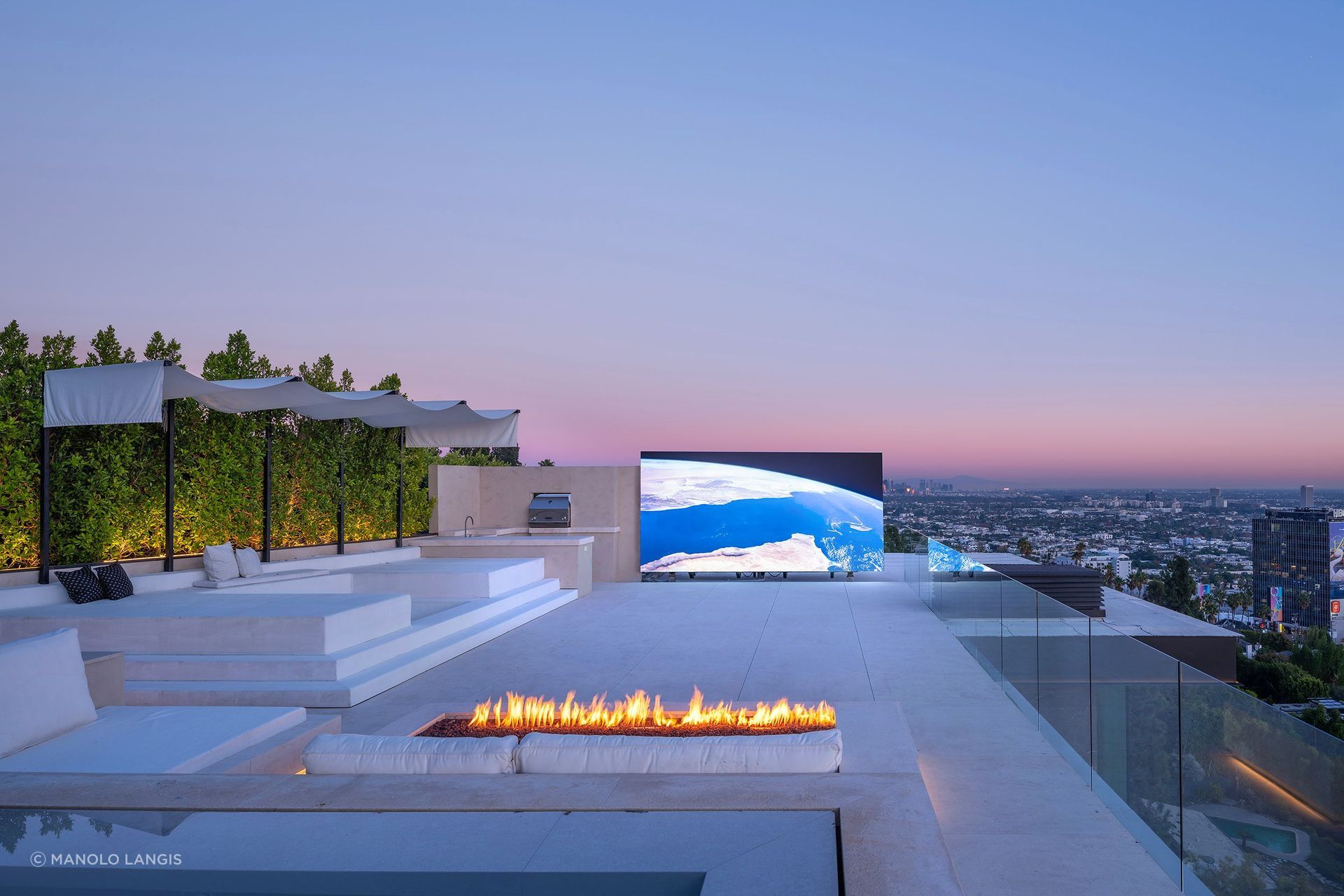
One of McClean Design’s recurring answers is the courtyard. At Aria, a basement courtyard was introduced from the very beginning of the design process to allow natural light to penetrate deep into the plan. This means the lower level can hold a substantial amount of space while still offering air, openness, and an indoor-outdoor connection.
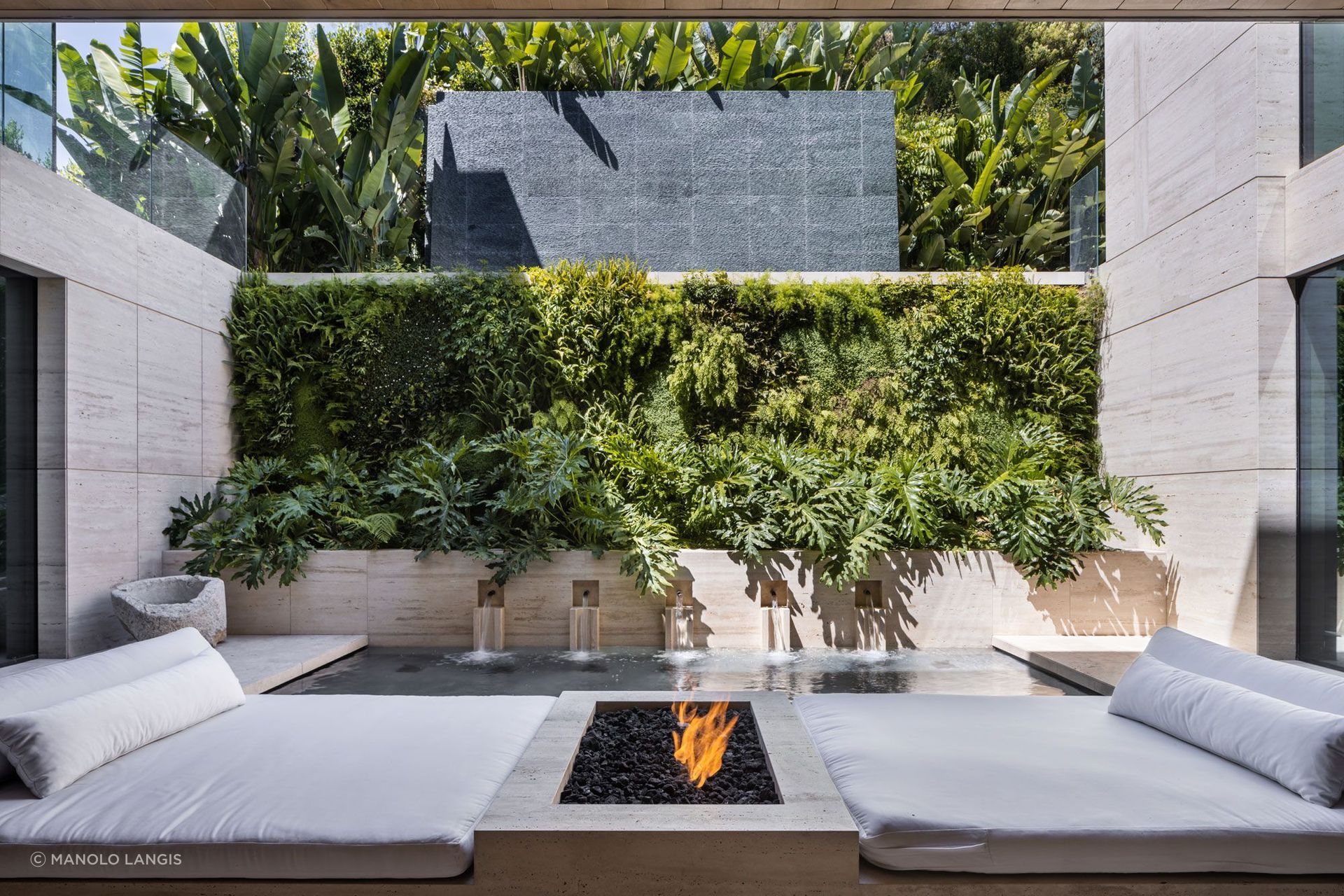
Water intensifies that effect. In McClean Design’s work, water is used not only as a visual feature, but as a mechanism for moving light. It captures reflection, redirects sunlight, and animates surfaces that may otherwise have remained still. In basement courtyards, water can help carry light into spaces that would otherwise feel removed from the exterior environment.
Pozil describes this as one of the practice’s most important techniques. Water allows sunlight to reach further and changes the way light behaves. It brings movement, luminance, and atmosphere into the architecture.
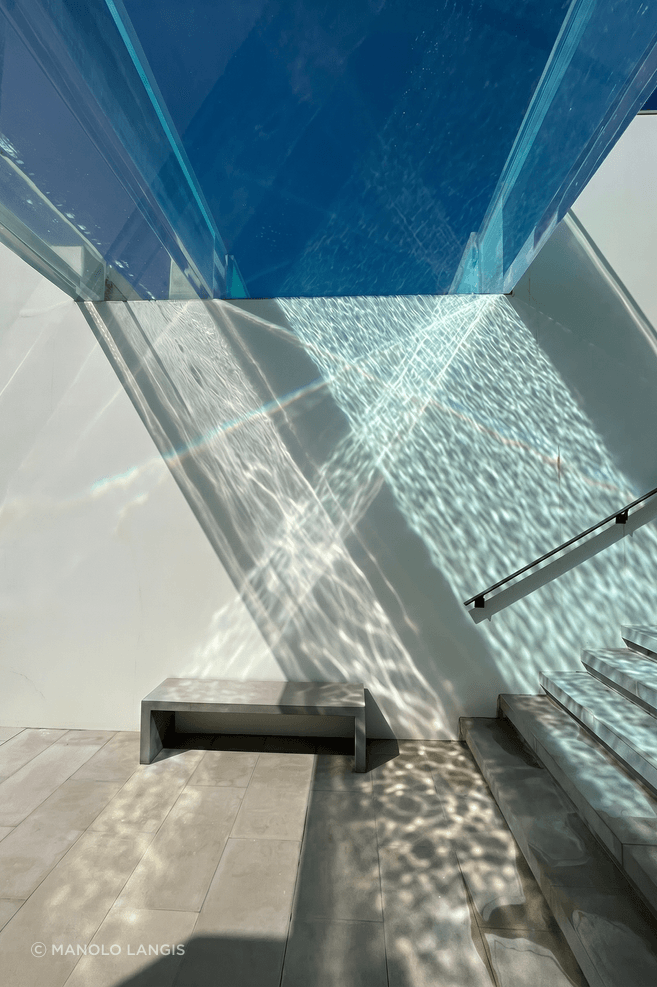
The effect is even more pronounced with acrylic pools. When a pool sits above a room or circulation space, sunlight passes through moving water and acrylic, producing refractions that ripple across walls, floors, and ceilings. Pozil describes the experience as something that makes you want to put your phone away and simply be in the moment. It is not just an architectural feature, but an atmosphere.
This is where the conversation around wellness becomes more nuanced. Many high-end homes now include gyms, spas, cryotherapy rooms, and other specialised wellness amenities. McClean Design works with these requests often, but Pozil suggests that the most important wellness feature remains nature itself. Light, air, view, water, and sound can shape how a person feels in a home every day.


Natural light also carries physiological value. Pozil points to the importance of full-spectrum sunlight and the role it plays in supporting circadian rhythm. While artificial lighting systems increasingly attempt to mimic the changing quality of daylight, they cannot fully replace the real thing. For homeowners, that makes access to natural light more than a luxury or aesthetic preference, but a part of how a home supports daily wellbeing.
Glass and transparency play a major role in this. McClean Design often uses large sliding doors, layered glazing, and open sightlines to bring light into the house while also sending views back out. The goal is for the architecture to frame the environment without competing with it. In homes built on exceptional sites, the view is often one of the reasons the client wanted to live there. The architecture should make that view easier to experience, not harder.
But transparency does not mean exposure. Good design must also control what is seen, screened, and protected. McClean Design considers where the views are, but also where the unwanted views are. A home may need to open dramatically in one direction, while shielding itself in another. This balance between openness and privacy is one of the most important decisions in residential architecture.
Skylights and trellises offer another layer of control. Skylights can draw light into spaces that would otherwise be difficult to illuminate, while trellises create patterns of shadow that change throughout the day. McClean Design models sun angles in three dimensions, allowing the team to study how shadows will move and how a trellis can become part of the architecture rather than an applied feature.


For homeowners, the lesson is that light should be at the forefront of a design. It cannot be added meaningfully at the end. Orientation, courtyards, glazing, skylights, water, and landscape all need to be considered as part of the first architectural moves. When they are, a house can feel brighter, calmer, and more connected to its setting.
ArchiPro helps homeowners understand these decisions by connecting completed projects with the professionals, materials, and products behind them. Explore McClean Design on ArchiPro, browse homes shaped by natural light and water or discover glazing, skylights, pools, landscaping, and outdoor living products that can help bring more light, movement, and wellbeing into a new home.