What Makes a Space Worth Owning

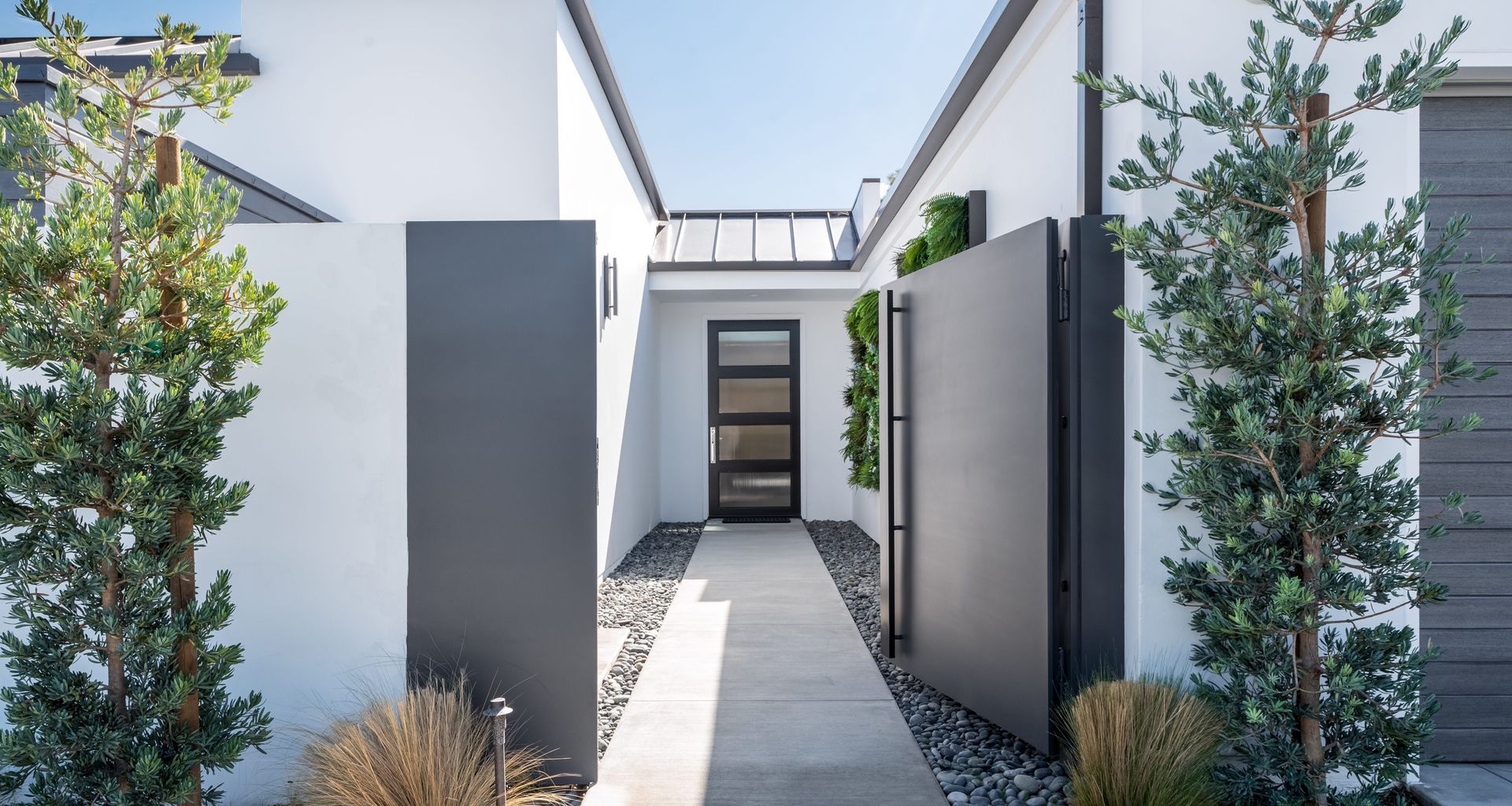
In one second, brief and almost imperceptible, when a person standing in a room decides it is worth something. Not worth admiring but worth owning. The distinction matters more than it seems.
Admiration asks very little of us. It costs nothing to say a room is beautiful. Value is a different transaction entirely, it’s more private, and far more consequential. It happens in the body before it happens in words. A shift in posture. A held breath. The instinct to slow down, even when there’s somewhere else to be.
Many assume this moment is triggered by the obvious things, the materials, the view, the size of the room. It rarely is. The moment someone decides a space is worth owning has almost nothing to do with what’s in the room, and almost everything to do with what the room does to them.
This is the part of design that resists explanation. It can be engineered, but never forced. And the spaces that get it right tend to share very little in common, except one thing.
When does a visitor actually decide?
Entrances are expected to impress, and people know it. The real decision tends to arrive several steps later, after the performance of the reveal has faded and before the tour is over, when they are left alone with the space itself. That silence matters. A room that only works while someone is explaining it isn't finished; it's staged. Value isn't a reaction to cost, but to coherence, the simple recognition that every decision was made on purpose, including the ones no one thought to mention.
Where do most spaces lose that?
The turning point is often the same: a room that tries too hard to explain itself. When a space insists on its own importance through excess, it can weaken the very feeling it's trying to create. The rooms that hold value tend to trust restraint, offering just enough and allowing curiosity to complete the experience. Expense can buy materials; it cannot buy the discipline to stop once a room is already saying everything it needs to say.