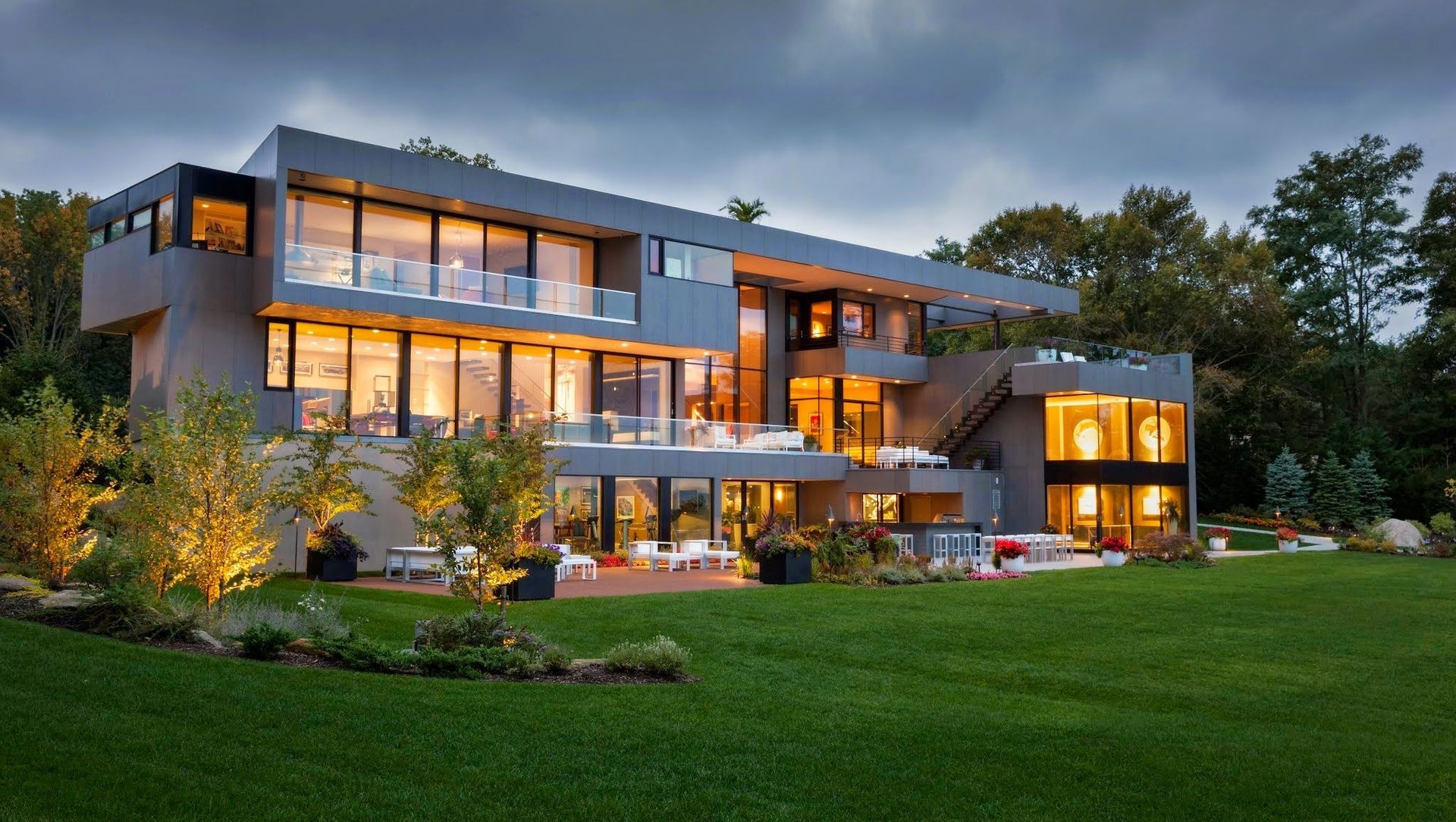
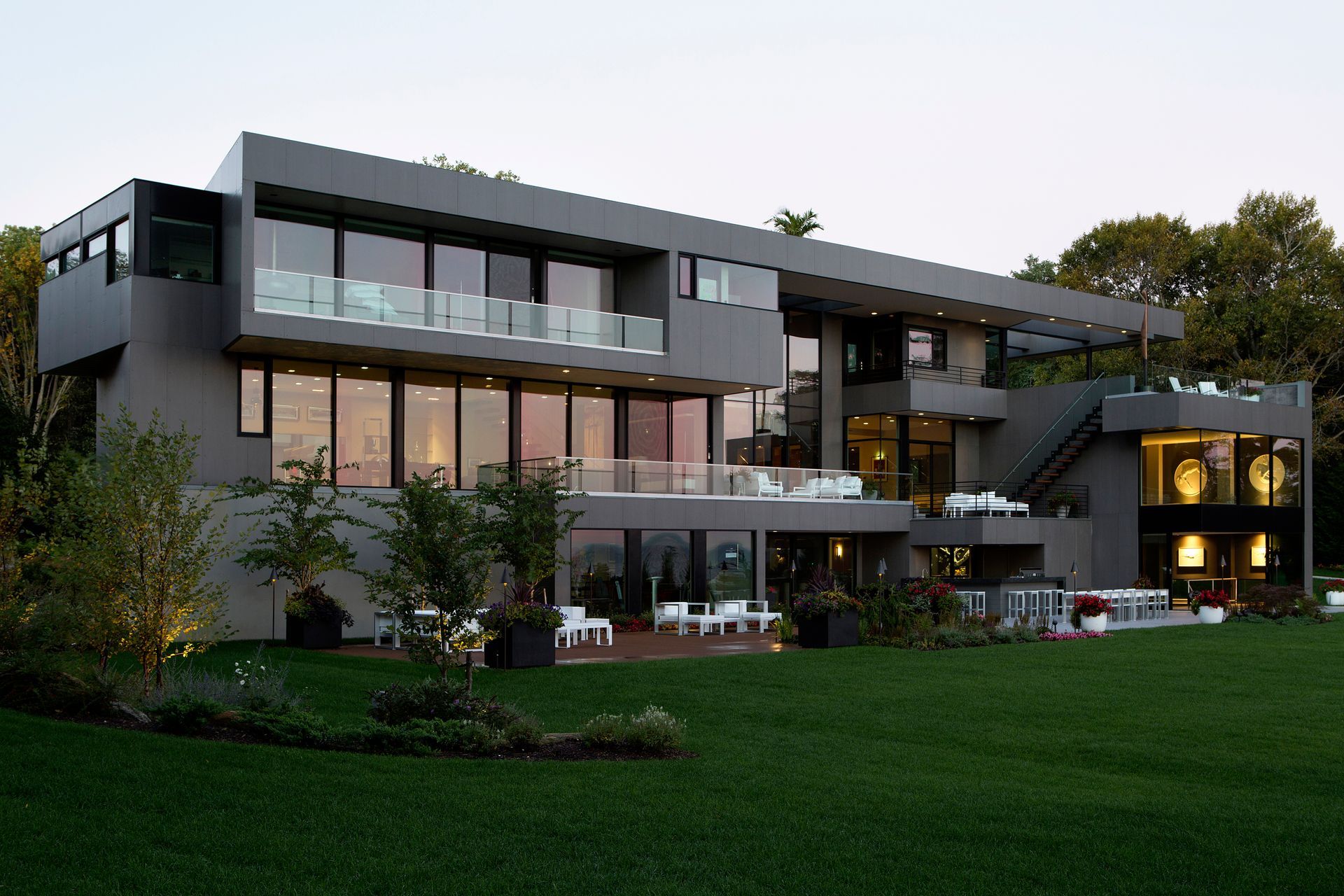
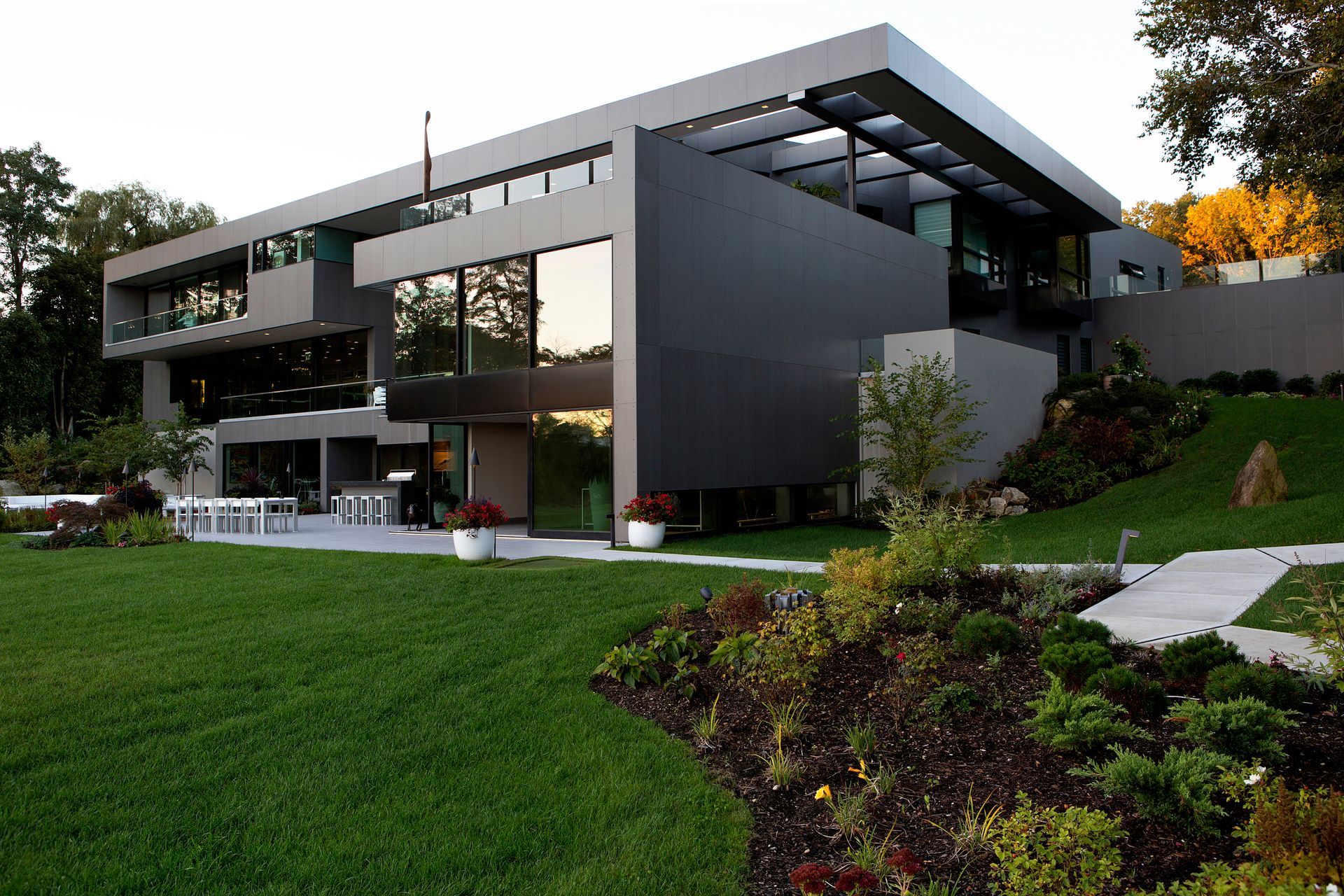
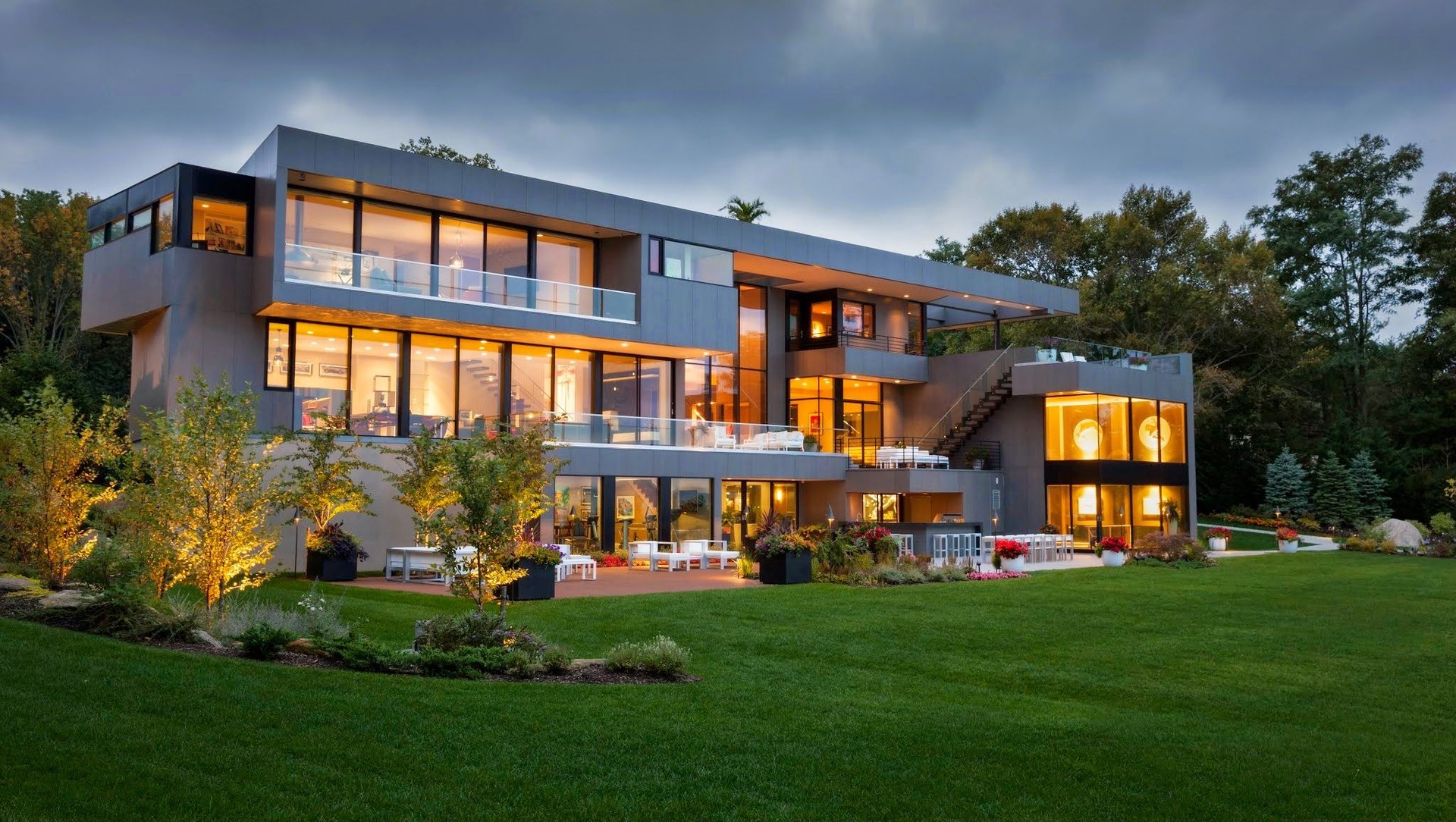
Situated on more than three acres along Long Island’s North Shore, this residence occupies a privileged site adjacent to the Long Island Sound, with direct access to the beach. The setting—defined by expansive water views, shifting shoreline conditions, and a rugged natural landscape—provides both the backdrop and the impetus for the architectural response.
The client, who grew up in Chandigarh, India, envisioned a home that would support a multigenerational way of living deeply rooted in his cultural tradition. The residence was to accommodate three generations of family, with the expectation that future generations would continue to live, raise children, and care for elders within a shared compound. At the same time, the client sought a house that would be distinctly modern, yet timeless in its material expression and sustainable in both performance and longevity.
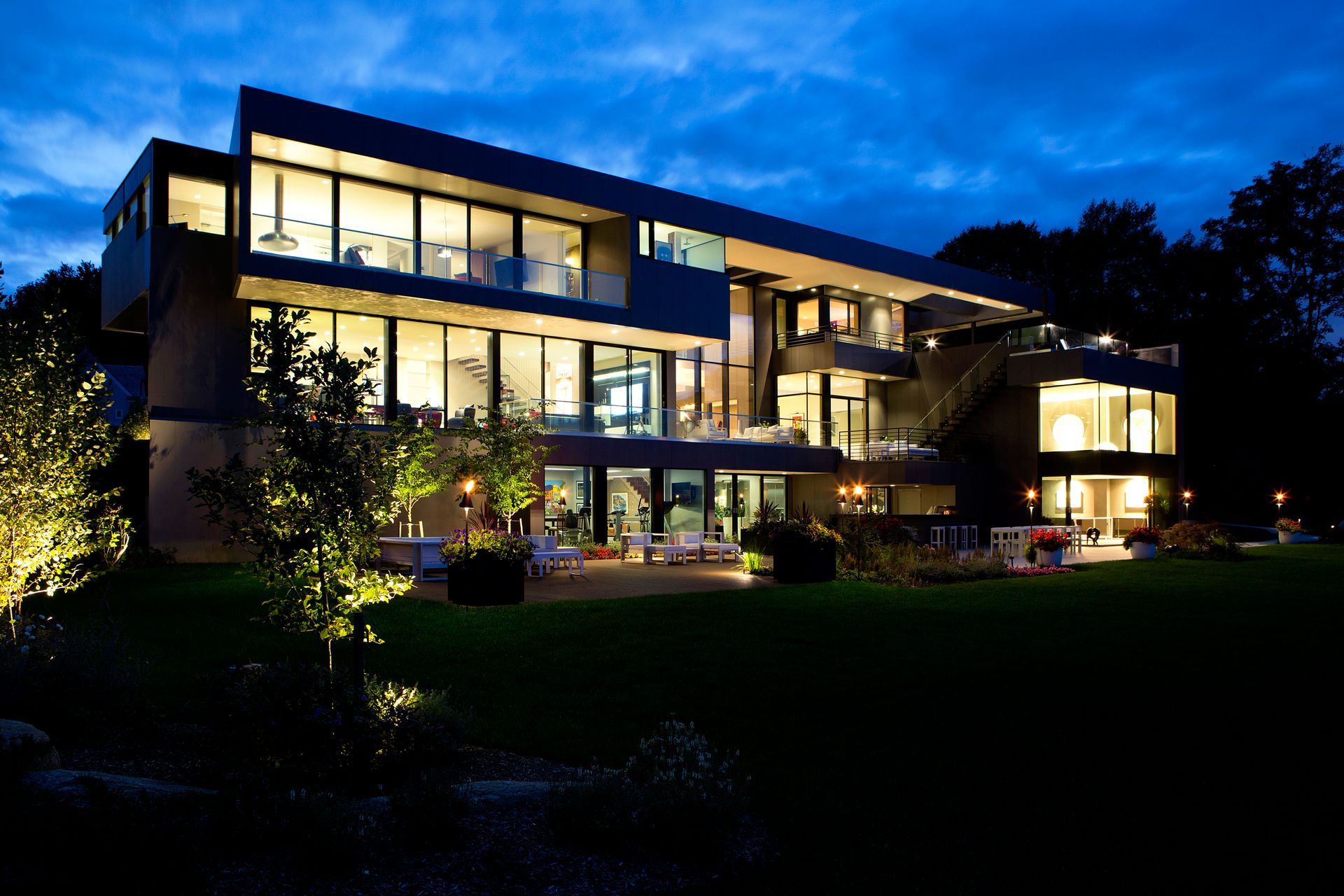
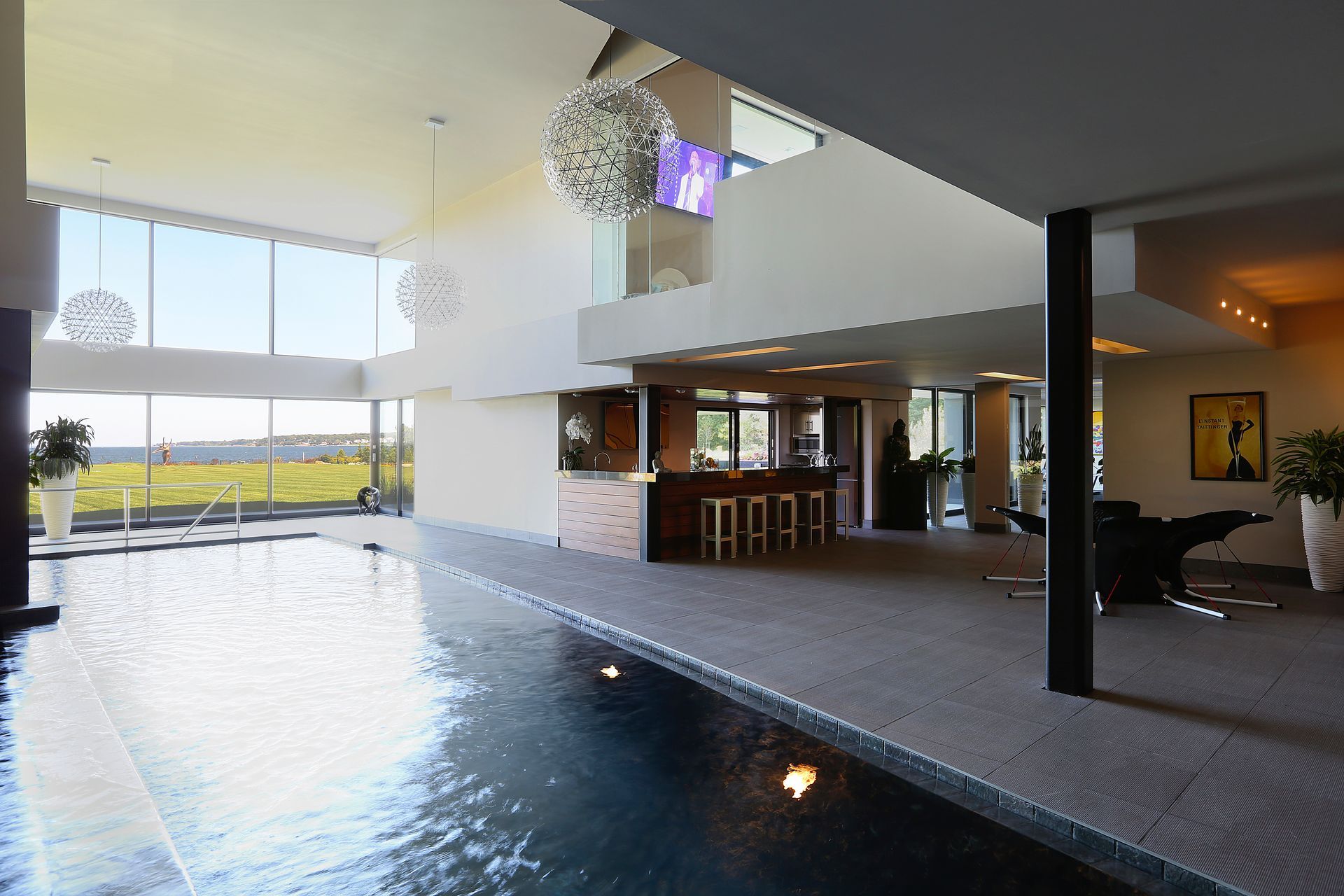
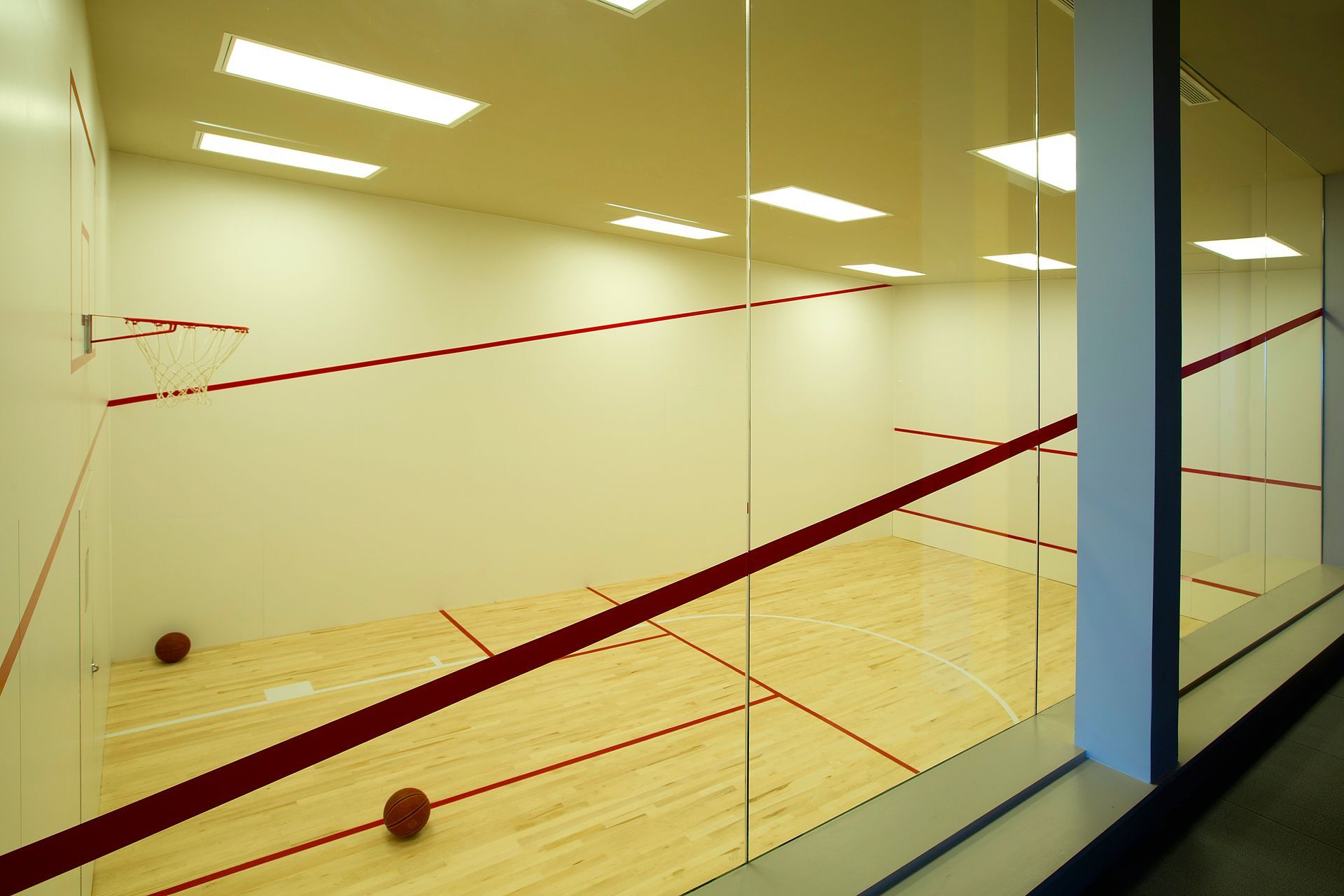
The program is expansive, incorporating amenities typically associated with a contemporary villa. These include multiple terraces, an indoor/outdoor pool with integrated spa features, and a range of recreational spaces for exercise, basketball, racquetball, and a golf simulator room that also functions as a home theater.
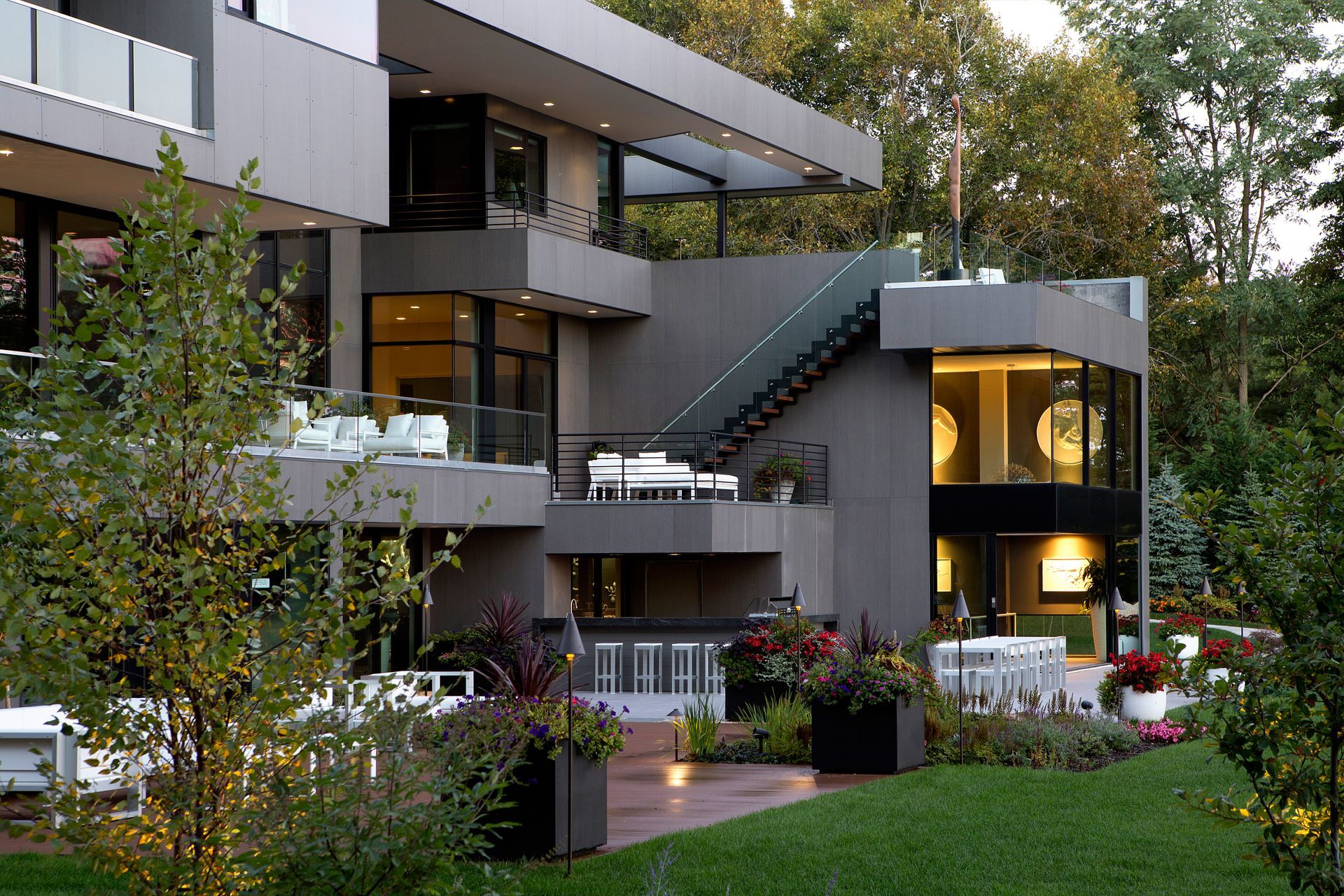
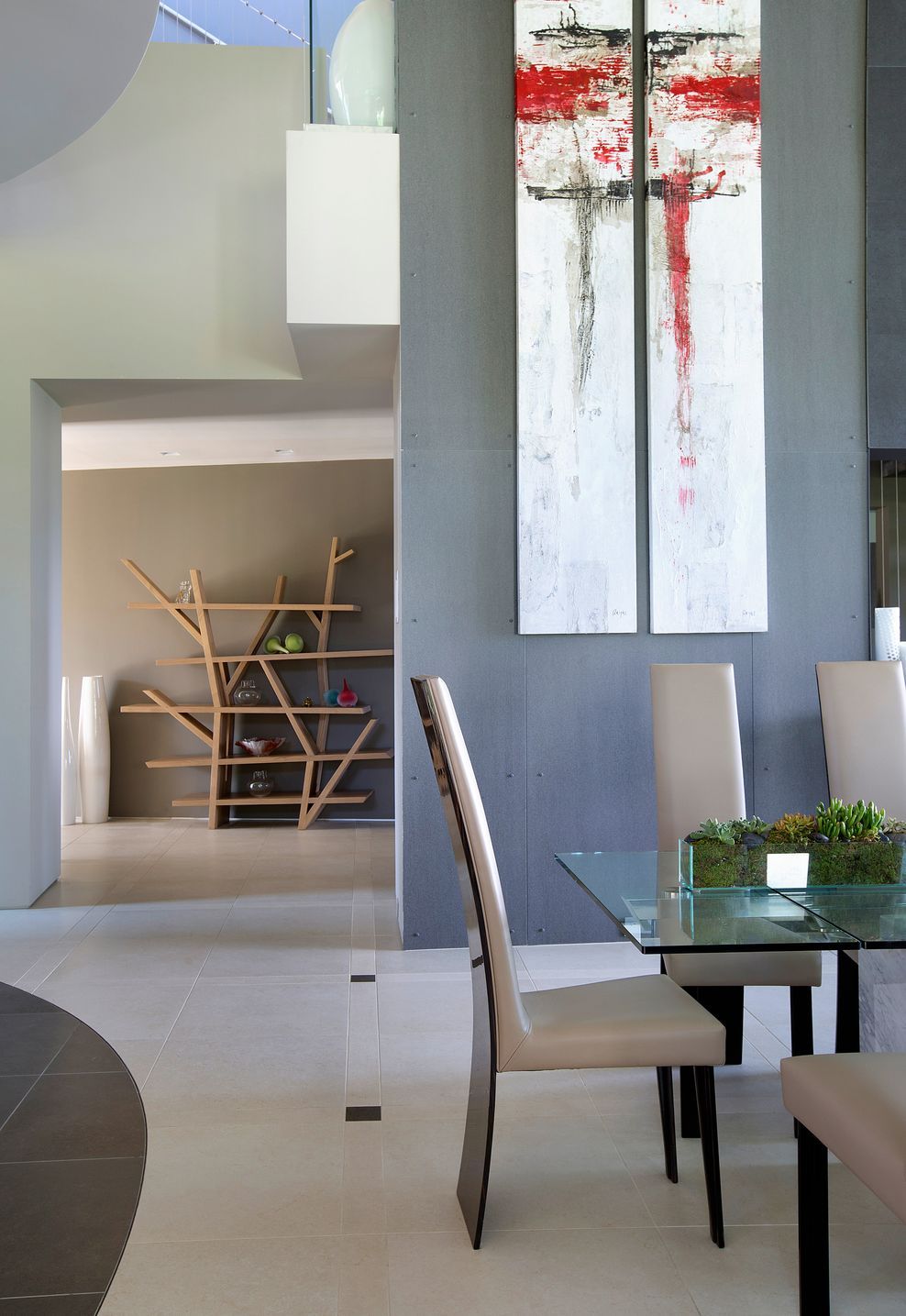
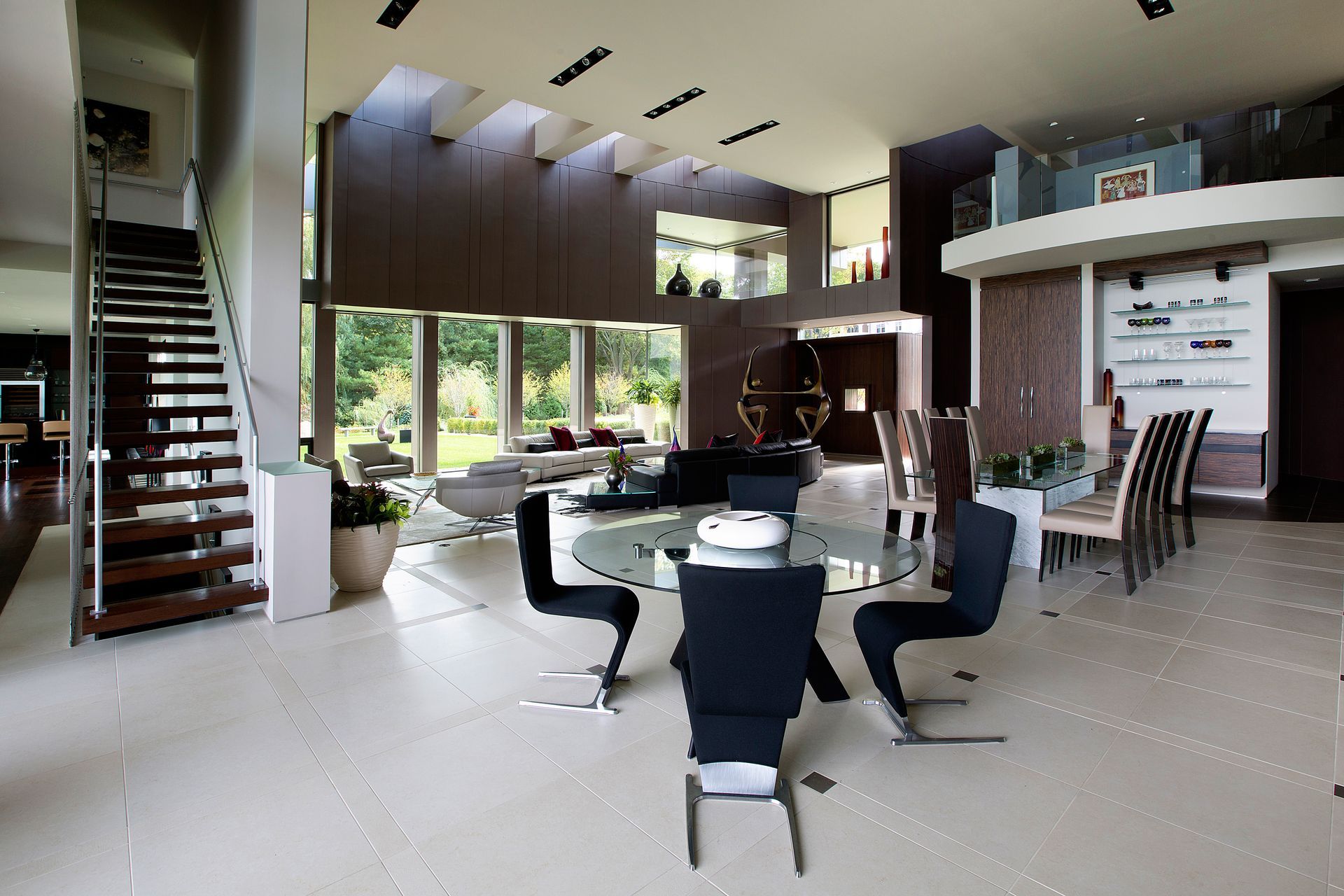
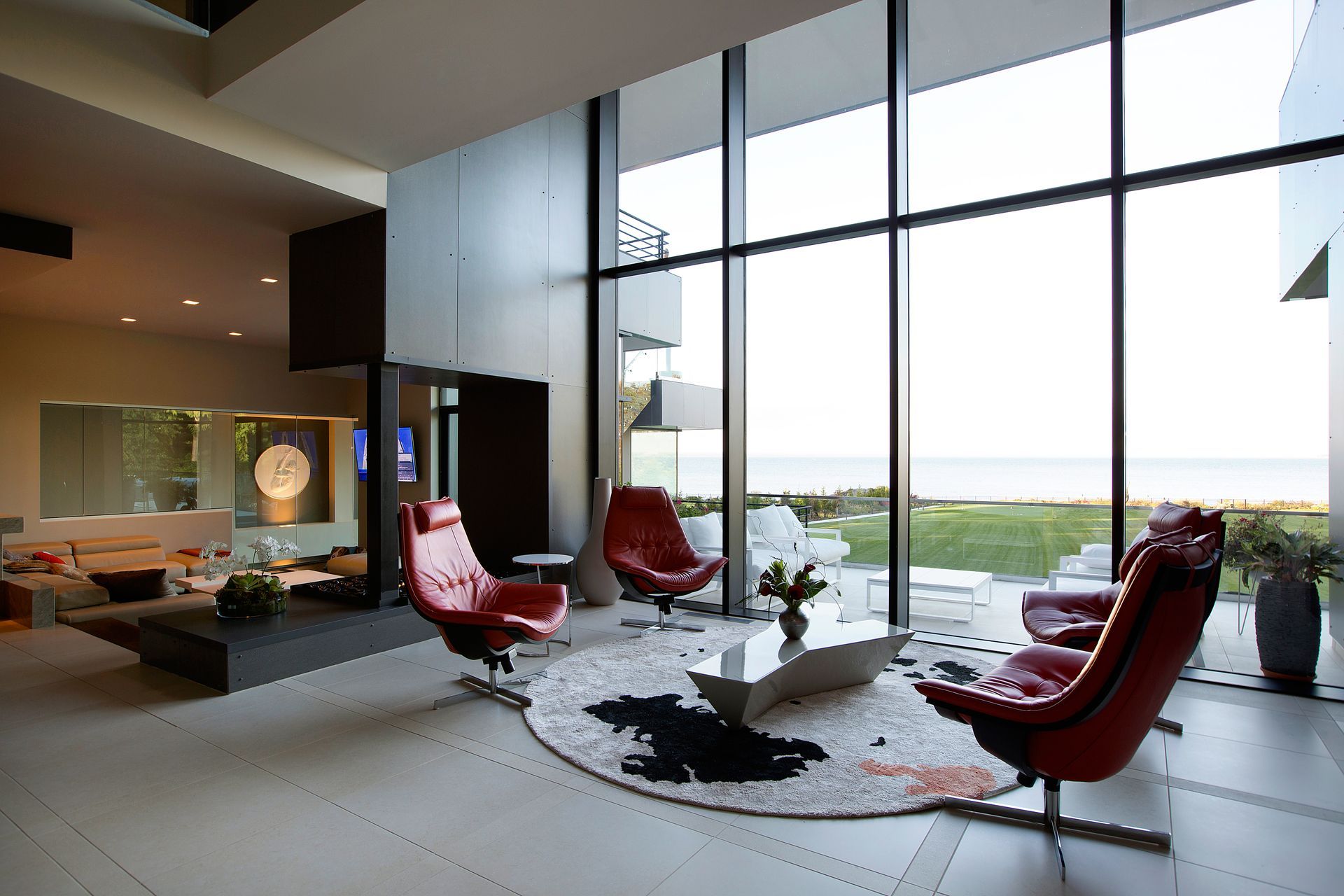
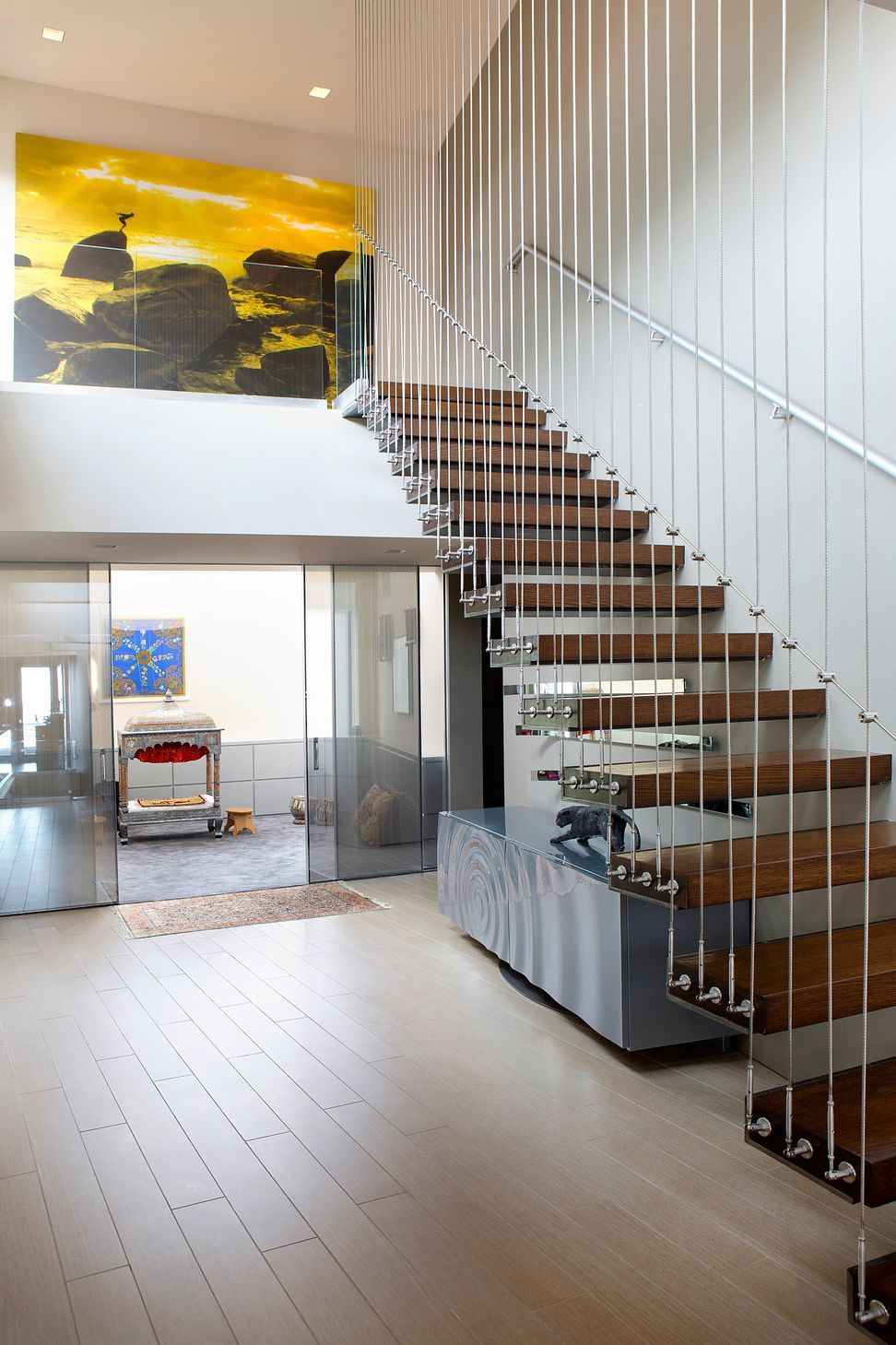
At the heart of the design is a large, two-story, multi-functional interior space—conceived as an indoor courtyard—around which the home is organized. This central volume accommodates living, dining, entry, and lounge functions, and is flanked by wings that house the private quarters for each generation. The space opens visually toward the Sound and a carefully composed sculpture garden, establishing a continuous dialogue between interior and exterior. This connection is further reinforced through a consistent material palette used both inside and out, while rooftop clerestories introduce abundant daylight and reduce reliance on artificial lighting during the day.
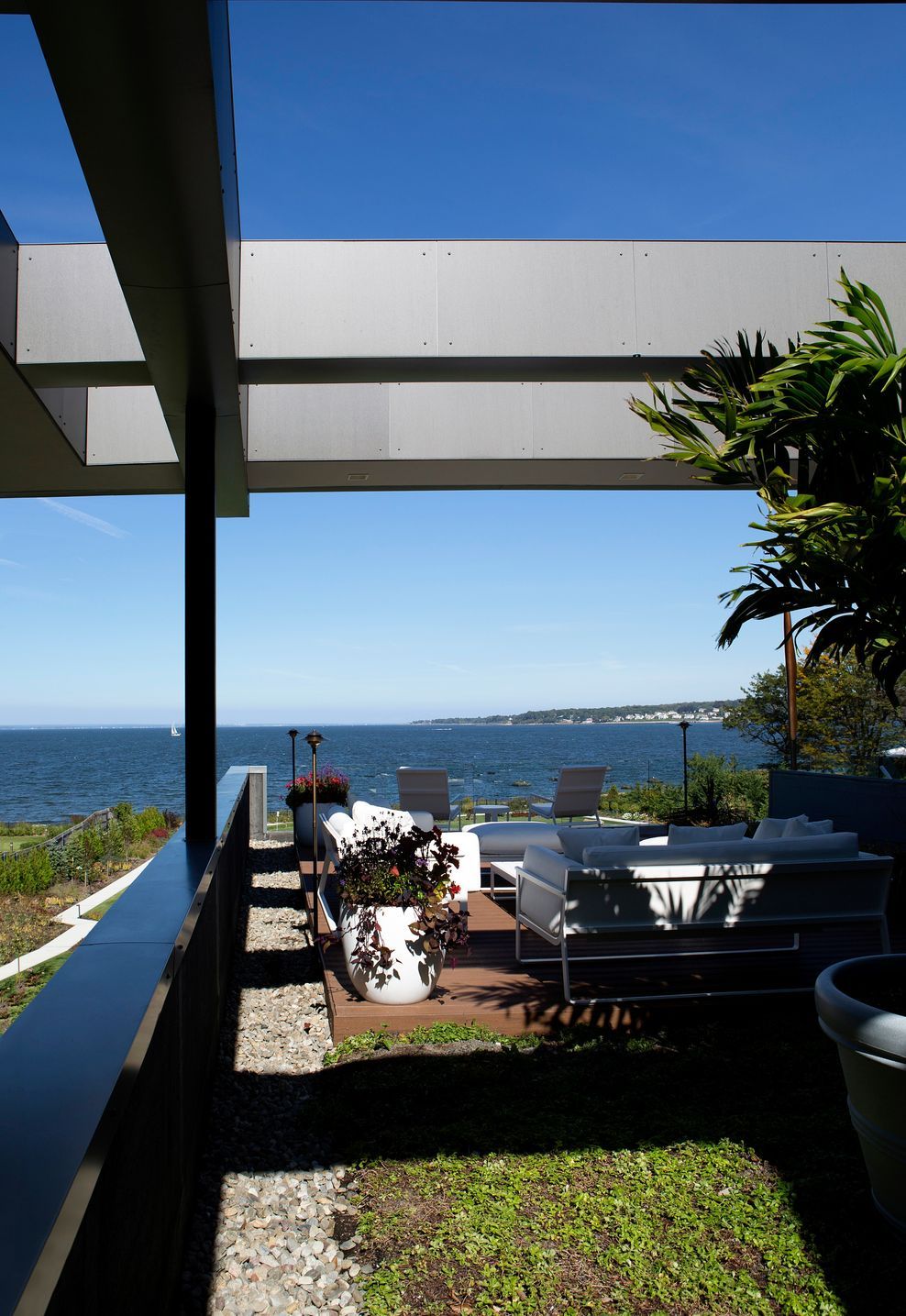
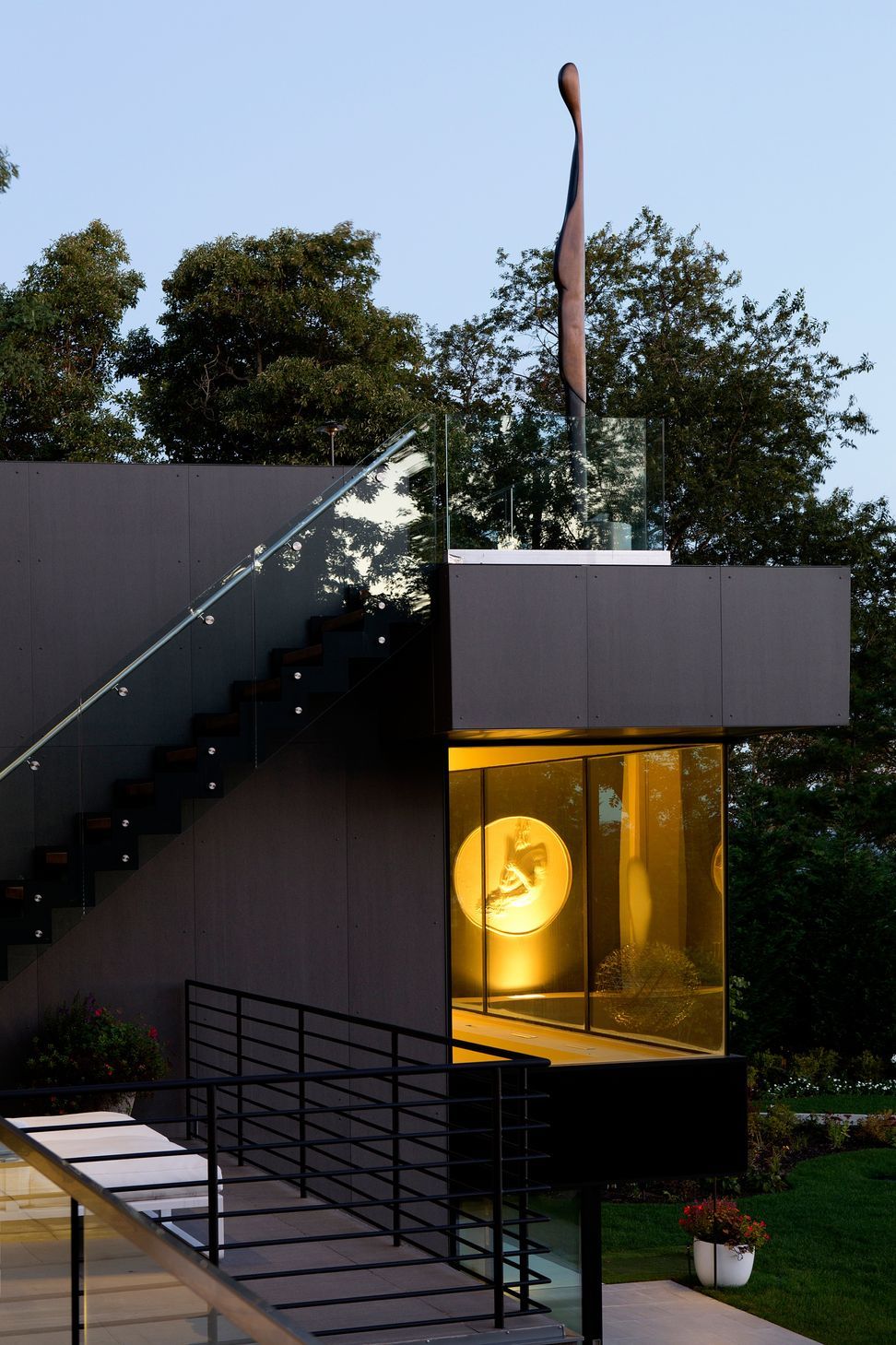
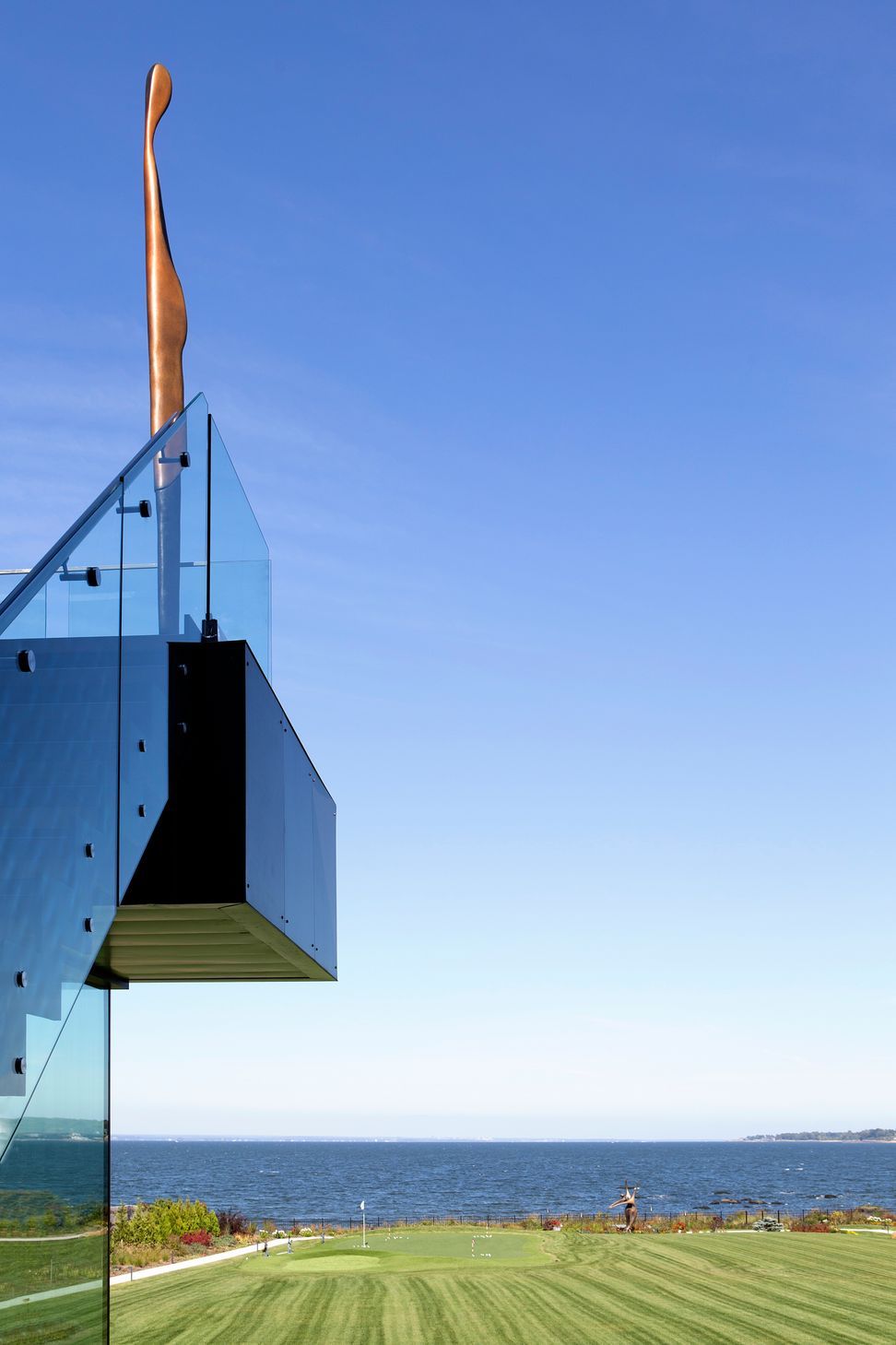
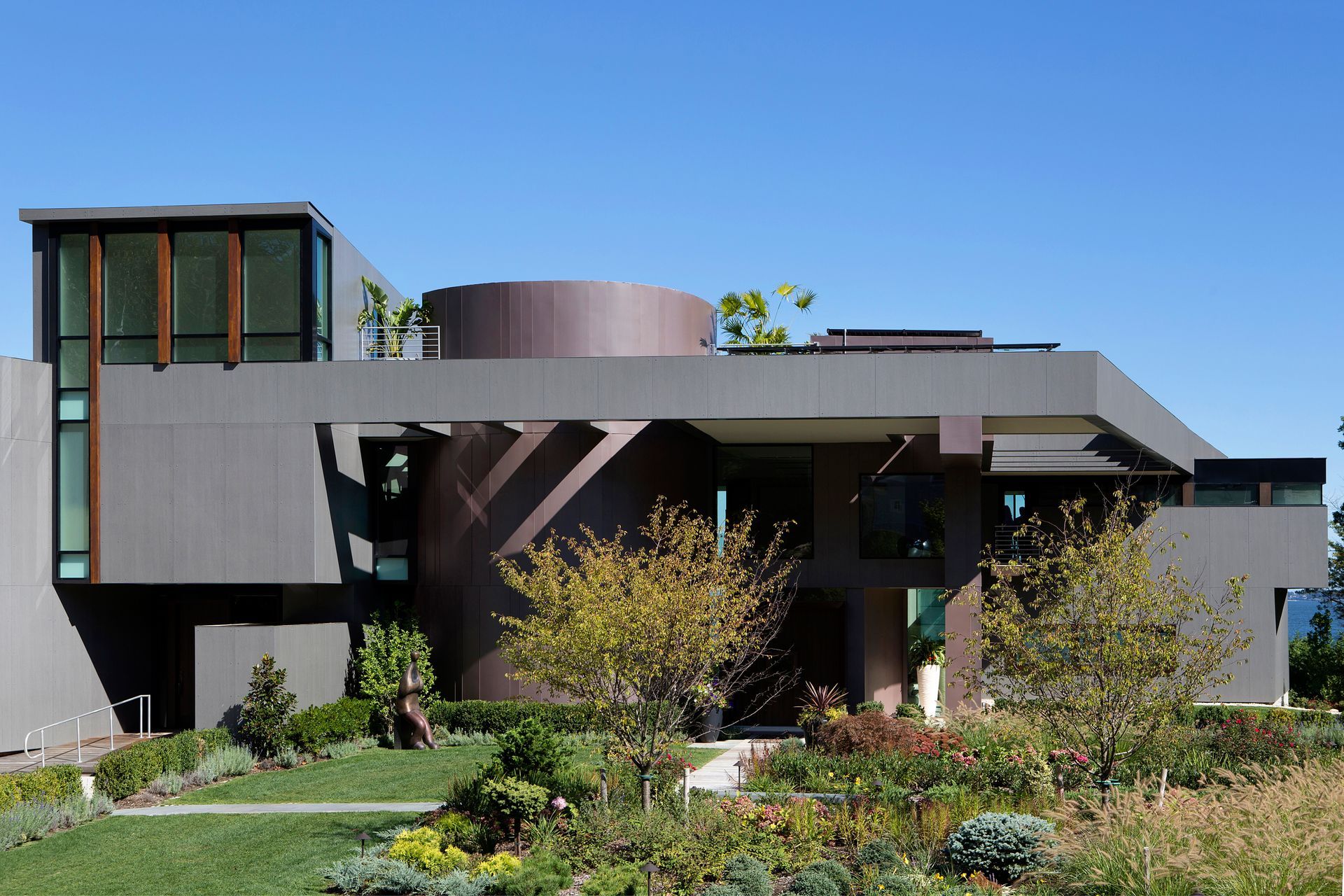
From above, the house reads as an extension of the landscape. Green roofs blend seamlessly with the surrounding terrain, their composition informed by shoreline contours, framed view corridors—ensuring that every room maintains a visual connection to the water—and the large stones revealed during low tide. The integration of the client’s sculpture collection further animates the site, creating moments of reflection throughout the landscape.
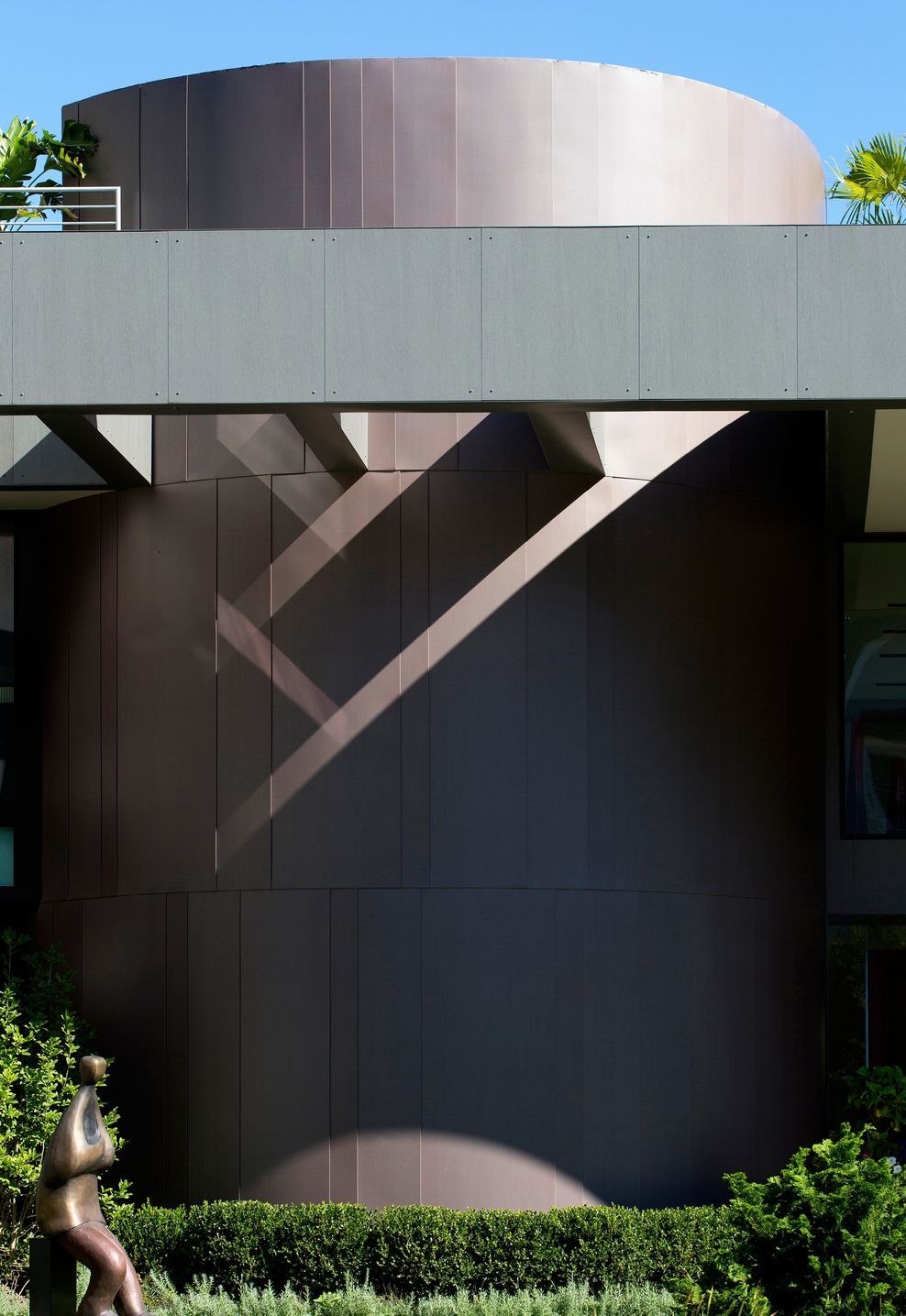
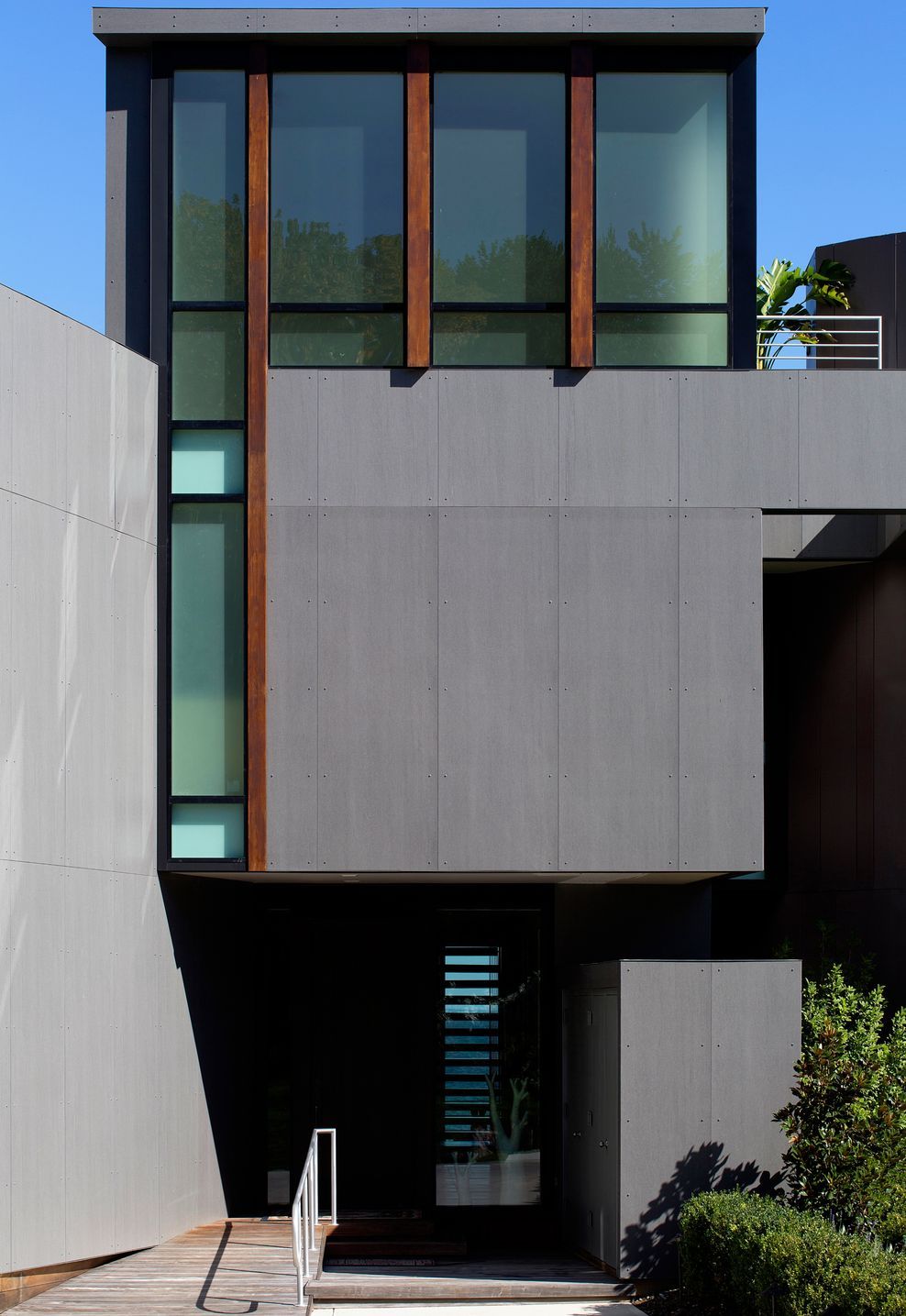
The building envelope is articulated as a high-performance rainscreen system composed of slim, maintenance-free porcelain panels. Zinc cladding distinguishes the entry sequence and the surfaces surrounding the central courtyard, while all roof surfaces are designed as accessible green roofs, extending usable outdoor space and reinforcing the building’s environmental agenda.
The residence incorporates a comprehensive suite of sustainable systems and is pending LEED Silver certification, making it one of the largest homes (approximately 14,000 square feet) to pursue this designation. Key strategies include geothermal heating and cooling—limiting fossil fuel use to cooking and backup power—photovoltaic panels, LED lighting, and integrated smart home controls. Water is reclaimed and stored for irrigation, supported by pervious paving and drought-tolerant plantings. The building envelope employs a multi-layered insulation approach, combining foam-filled cavities with rigid exterior insulation integrated into the rainscreen and green roof assemblies. A steel structural frame eliminates the use of conventional wood framing, aligning with the project’s durability and low-maintenance goals.
Operable clerestory elements facilitate natural ventilation, promoting passive cooling through stack effect, while careful orientation, deep overhangs, and trellis structures mitigate solar gain.
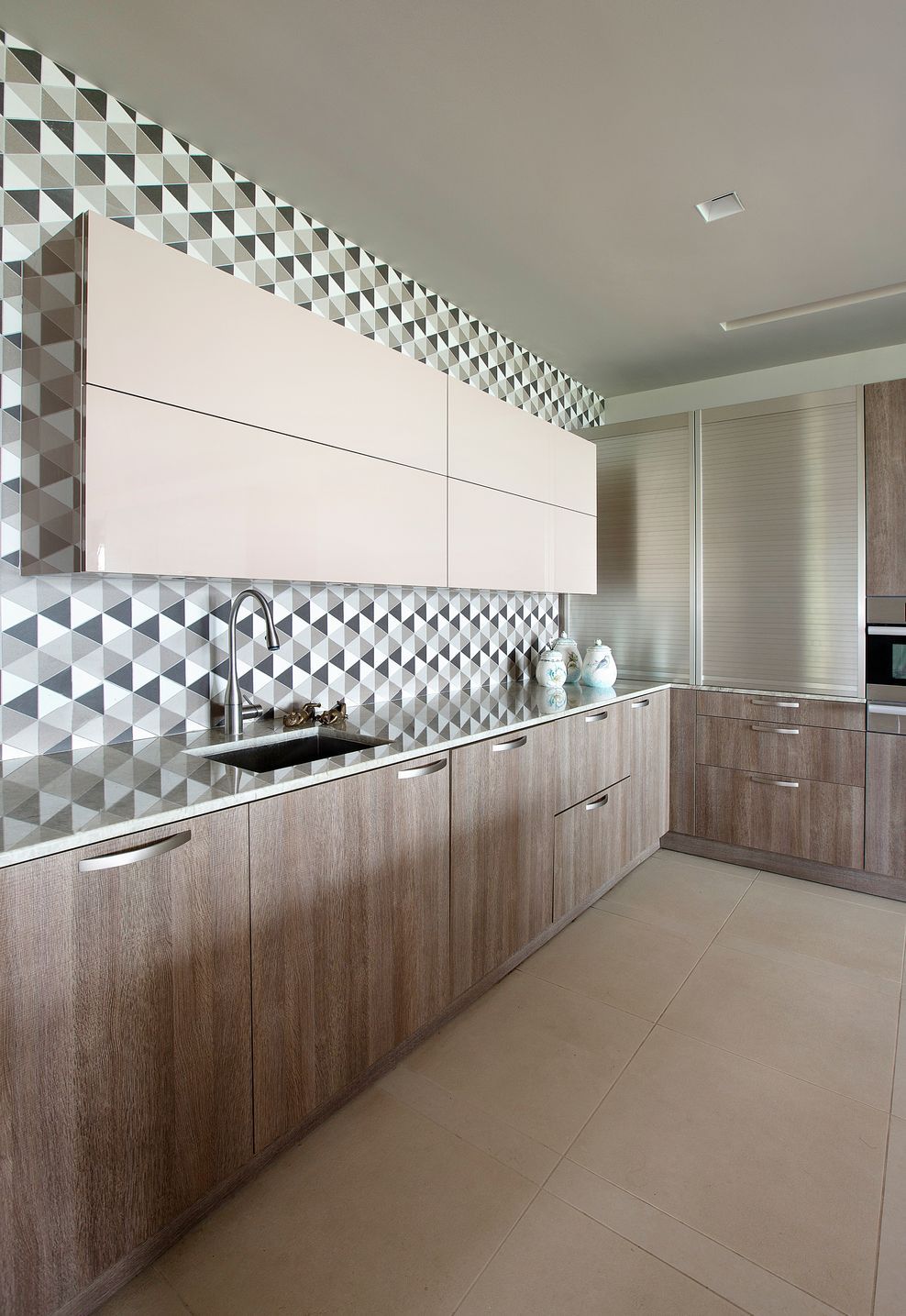
A distinctive feature of the home is the inclusion of two separate kitchens: one for everyday family use, and a second, fully enclosed kitchen dedicated to the preparation of traditional Indian cuisine. This separation allows for the containment of strong spices and aromas, preserving the comfort of adjacent living spaces while supporting cultural practices.
The landscape design extends the project’s sustainable ethos, incorporating permeable paving and low-water plantings. Irrigation is supplied by underground storage tanks that collect and reuse rainwater from the green roofs, completing a holistic approach in which architecture, environment, and cultural life are seamlessly interwoven.